Entry-Level Wingboards
Filter
Product categories
Sort by:
Entry-Level Wingboards for Getting Started & Learning
Entry-Level Wingboards FAQs
What volume wing board do beginners need?
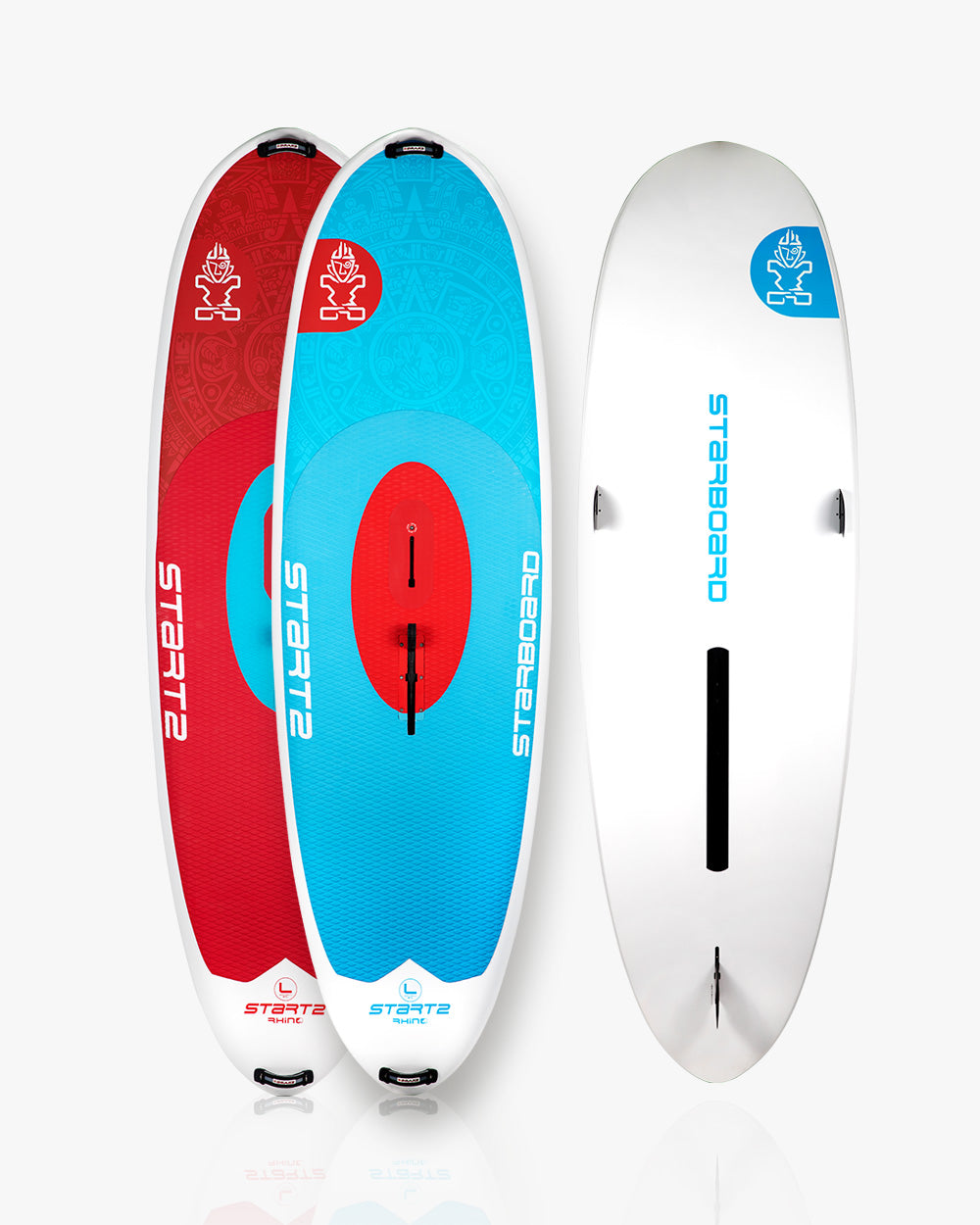
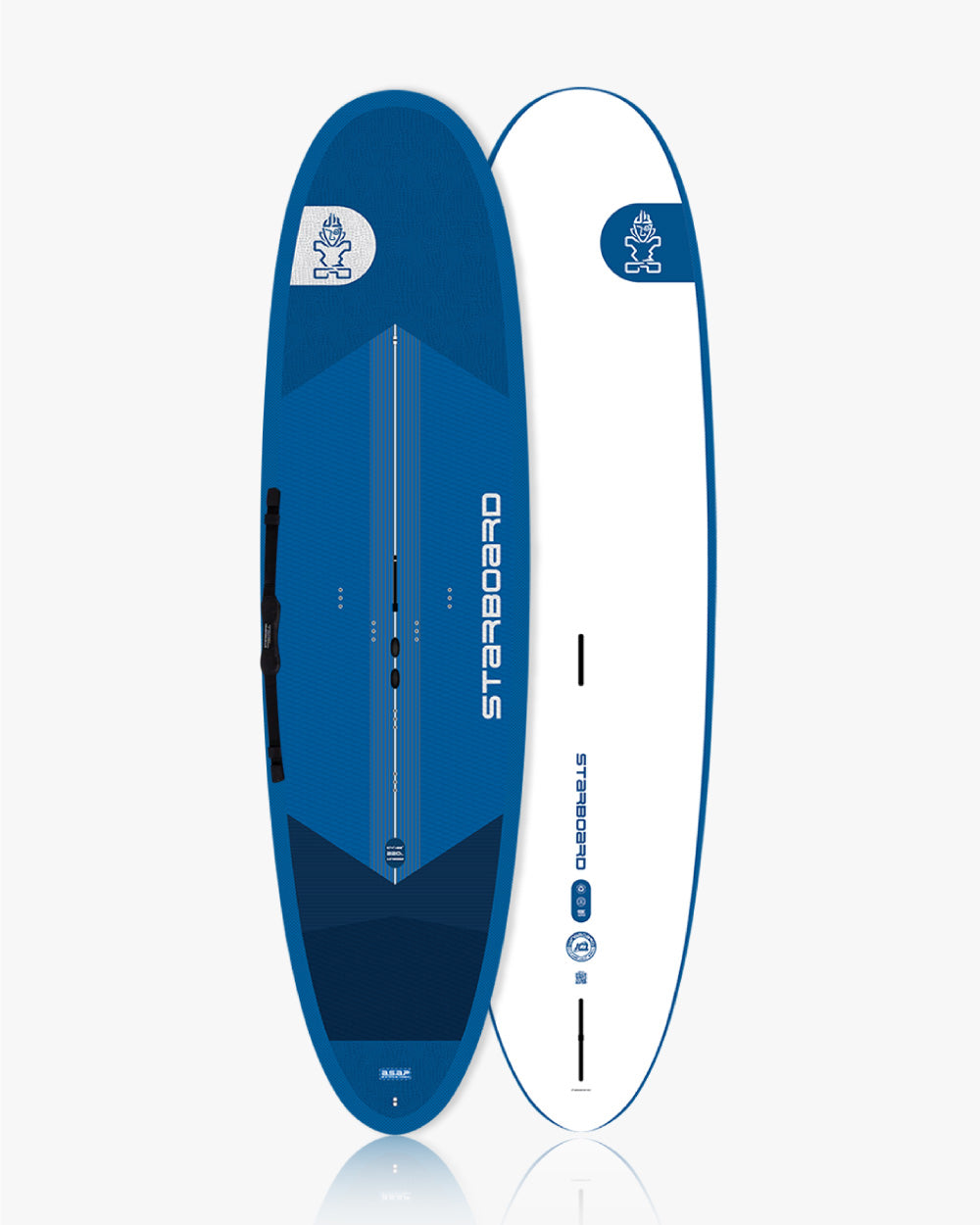
For beginners, board volume is all about stability and forgiveness. Most people start on something with plenty of float — usually somewhere around 20 to 40 litres above their body weight in kilos. So if you weigh 75 kg, you’re generally looking at a board in the 95–115L range, sometimes even more if conditions are choppy. The extra volume makes it easier to stand, balance, and handle the wing without constantly falling in. As your technique improves, you naturally move down in size, but in the beginning, a bigger board just makes the whole experience far less frustrating.
Entry-level wing board vs inflatable — which to start with?
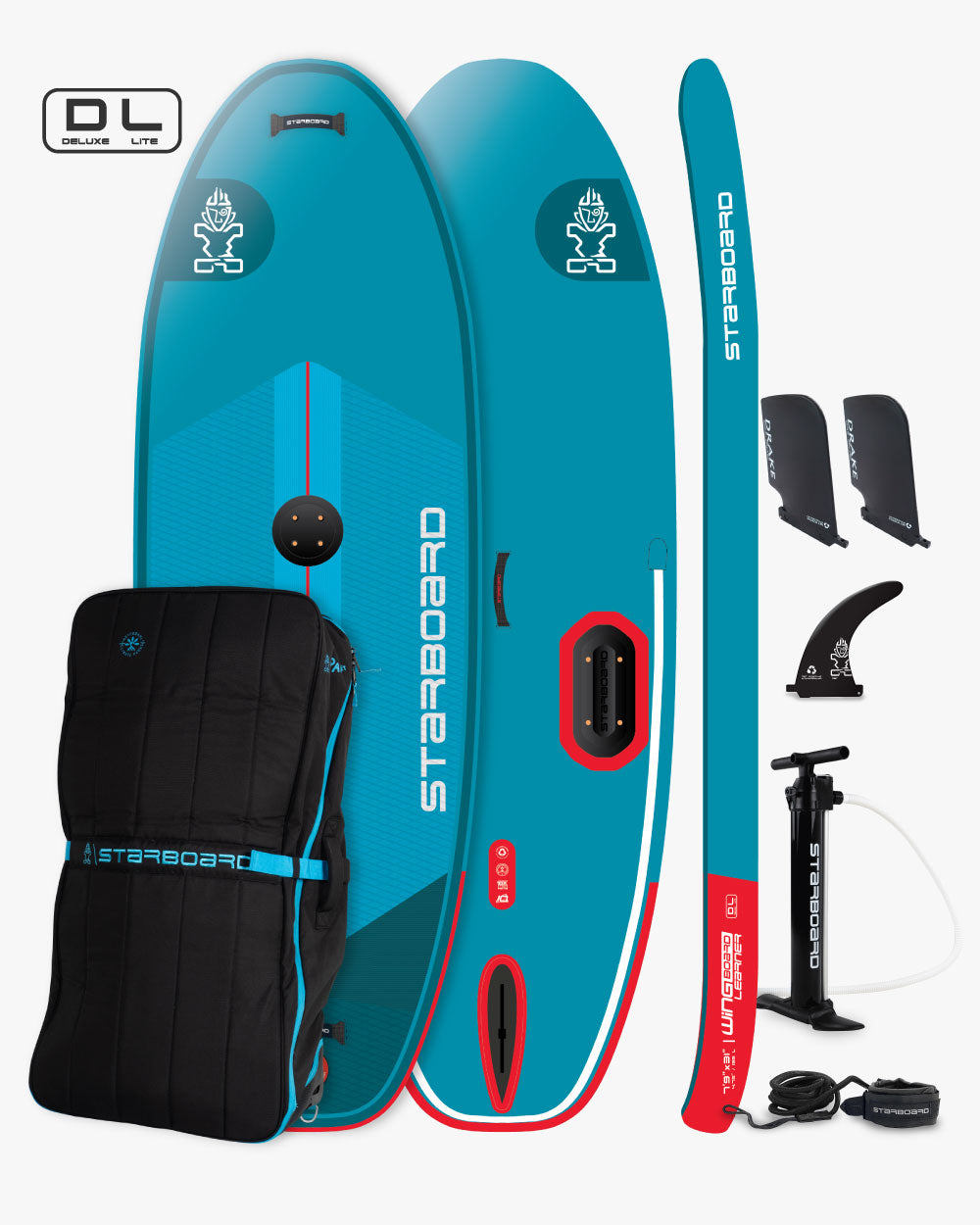
- Stability: the hard board is more stable with a rigid feel; the inflatable is slightly softer underfoot.
- Learning speed: the hard board gives faster progression; the inflatable is slightly slower.
- Durability: the hard board can ding or crack; the inflatable is very tough and beginner-friendly.
- Transport: the hard board is bulky; the inflatable packs into a bag.
- Performance: the hard board is better for long-term progression; the inflatable has a limited performance ceiling.
- Comfort: the hard board has a direct feel; the inflatable is softer and more forgiving.
How long does it take to learn wing foiling?
Learning wing foiling happens in stages, and the timeline depends a lot on conditions and how often you get out. Most people can get comfortable handling the wing and standing on the board within a session or two. Getting up onto the foil usually takes a few more sessions, often anywhere from three to ten outings. After that, it’s about building consistency, riding both directions, and staying up longer. With regular practice, many beginners feel reasonably confident within a few weeks, but like most water sports, real comfort and flow take a bit longer to develop.
What wing size pairs with a beginner board?
When you’re starting out, a mid-to-large wing is usually the easiest to handle because it gives you enough power without needing perfect technique. For most adults, something in the 4.5m to 6m range works well, depending on wind strength. In lighter winds, you’ll want to size up a bit to keep things moving, while stronger winds call for something smaller and more manageable. The key is having enough pull to get going without feeling overpowered, especially while you’re still figuring out balance and coordination.
Should I learn on a SUP first before wing foiling?
You don’t have to learn stand-up paddling first, but it can definitely help. Spending a bit of time on a SUP teaches you balance, stance, and how to stay relaxed on a floating board, which all carry over nicely into wing foiling. That said, it’s not essential—many people go straight into wing foiling and pick things up just fine.
What's included in a beginner wing foil package?
A typical beginner wing foil package usually includes everything you need to get on the water. That means a high-volume board, a foil setup (with mast, fuselage, and front and rear wings), and a wing. You’ll often also get basics like a leash for the board and wing, and sometimes a pump for inflating the wing.