Hard Paddleboards
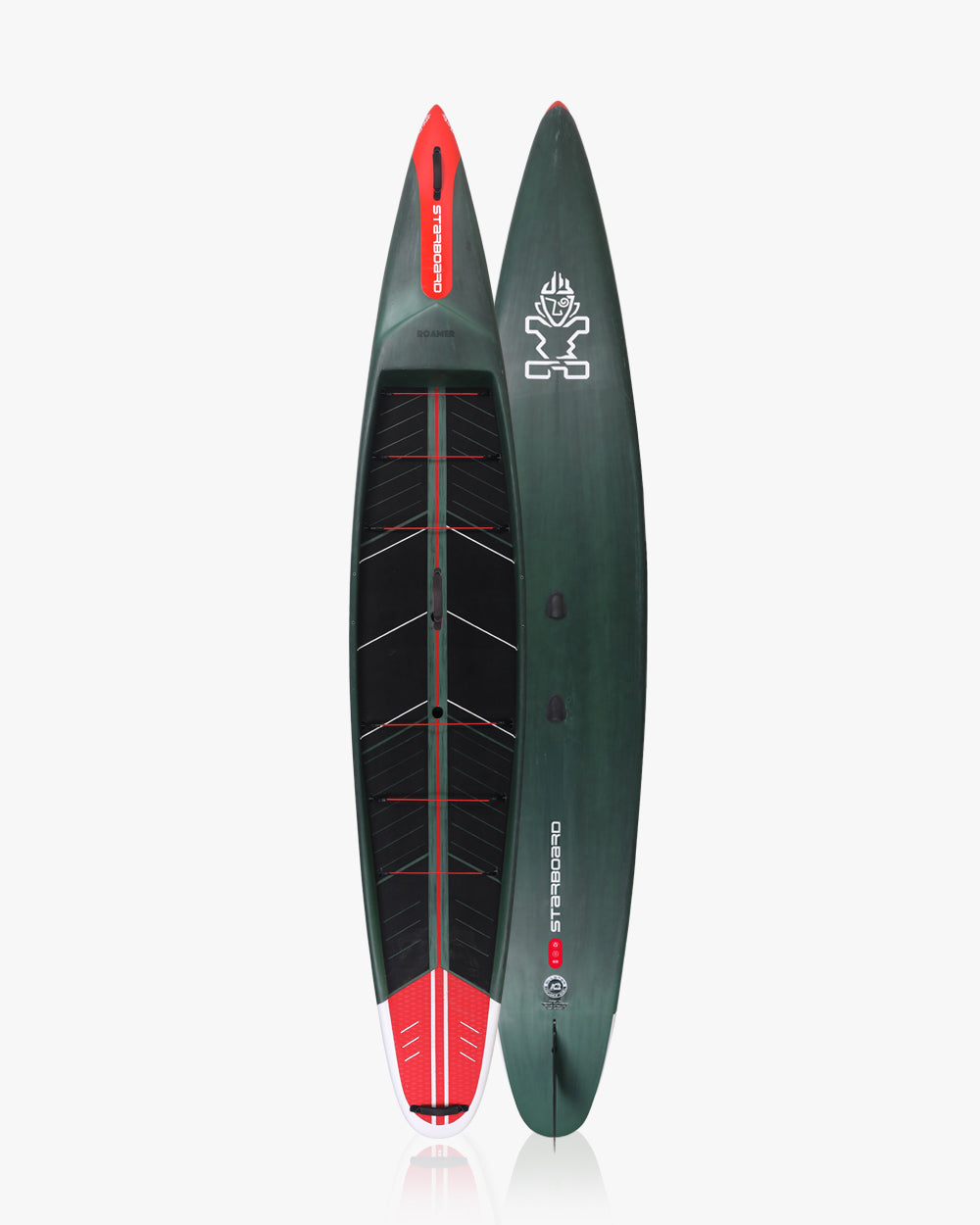
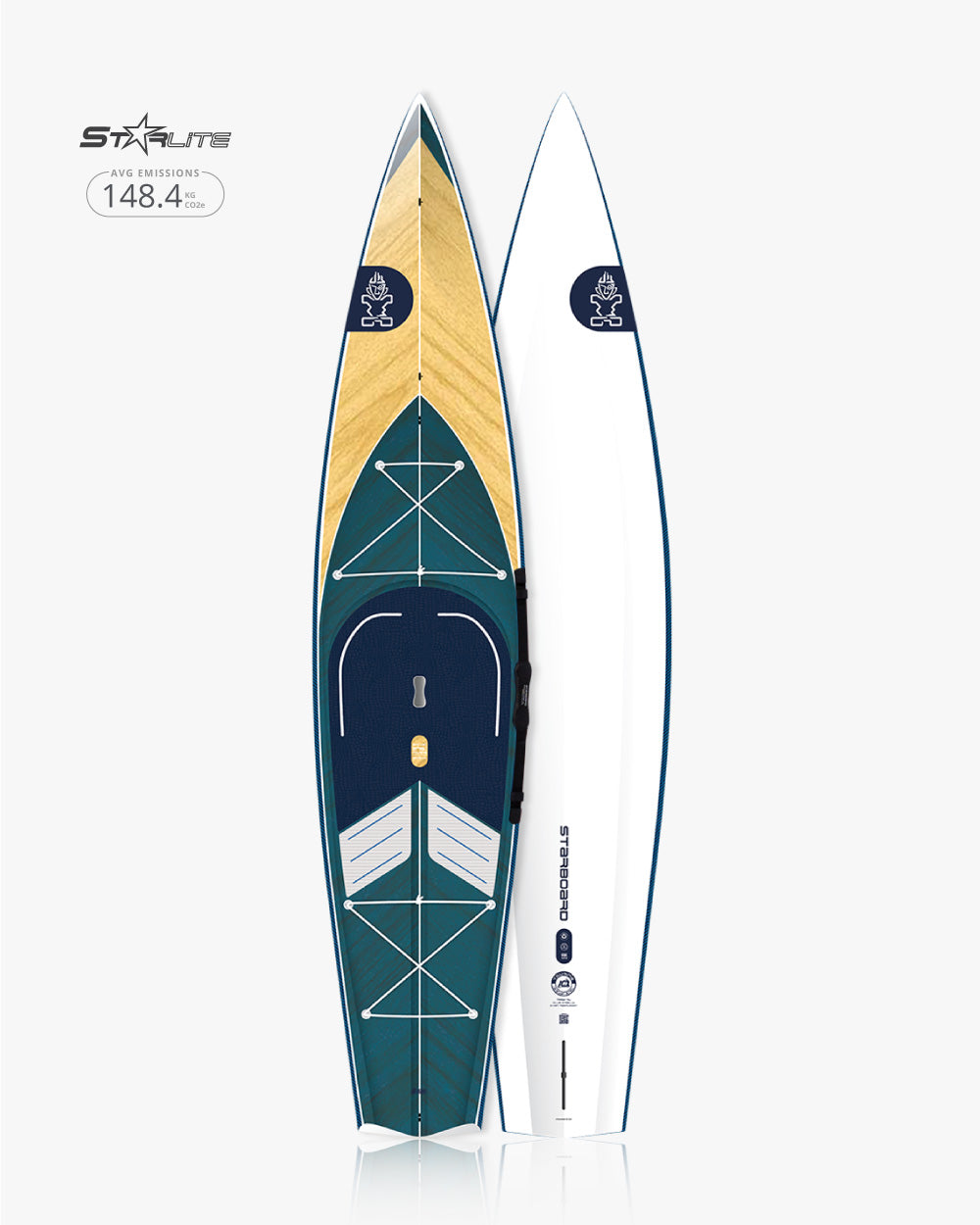
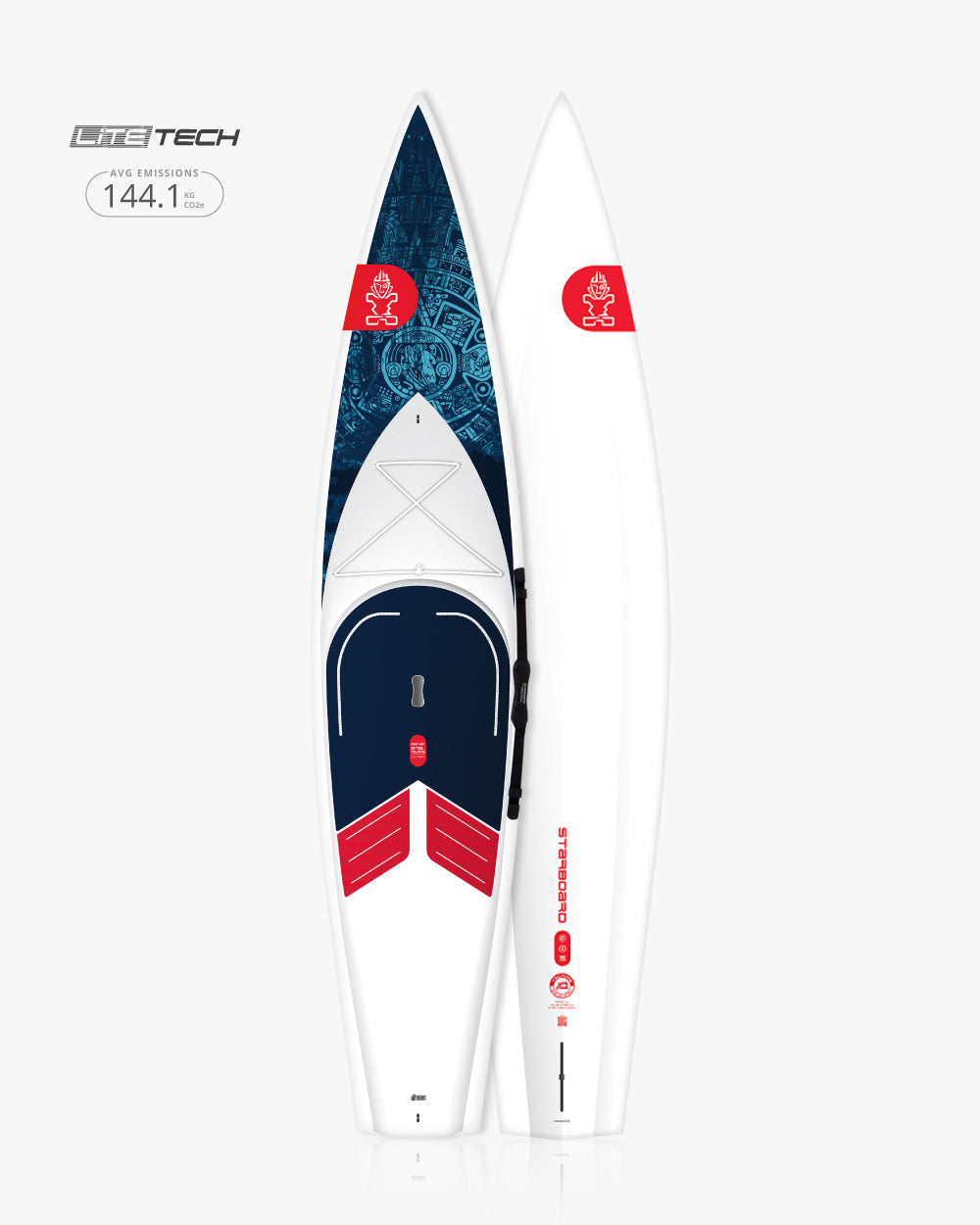
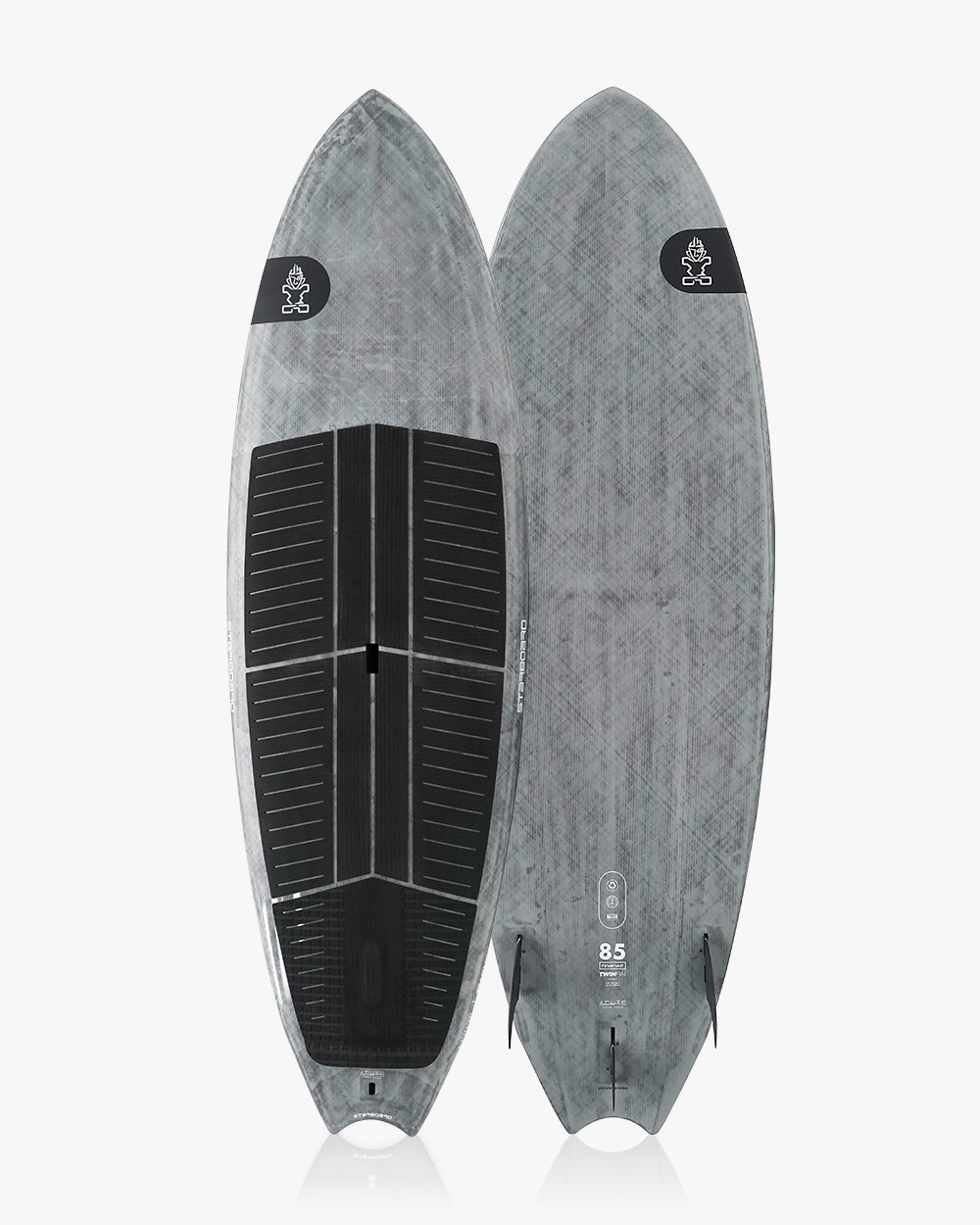
Explore Starboard’s collection of hard paddleboards, crafted for all skill levels and water activities, from family outings to competitive races. Our high-performance composite SUPs offer superior stability, durability, and versatility, ensuring the ultimate experience for every paddler.
Hard Paddleboards
Explore Starboard’s collection of hard paddleboards, crafted for all skill levels and water activities, from family outings to competitive races. Our high-performance composite SUPs offer superior stability, durability, and versatility, ensuring the ultimate experience for every paddler.
Filter
Product categories
Sort by:
Hard (Composite) Paddleboards by Starboard
At Starboard, we offer a wide range of hard paddleboards for everyone, from weekend warriors to SUP world champions. Our composite stand up paddleboards (hard SUPs) are designed for all kinds of activities on the water. Whether you are a big family wanting to spend quality time paddling on the water or a solo paddler who wants to explore nature, to wave riders ripping up waves in SUP surfing top those that want to get high on a foil board; we have a composite paddle board for everyone to have the best time out there.
Hard Paddleboard FAQs
What size hard SUP board do I need?
The right hard SUP size starts with how you want to paddle, then narrows down by your body weight and skill. First decide your main use.
All-round cruising suits a board around 10' to 11' long and 32" to 34" wide, giving a stable, forgiving platform for lakes and easy days.
Touring and distance paddling call for a longer board over 12' with a narrower, pointed shape that glides straight and holds speed.
Surfing needs a shorter board, usually under 10', that turns quickly on the wave.
Racing uses the longest, narrowest shapes for pure speed, best suited to skilled paddlers.
Once you have the use, size for your weight: as a rule, beginners want a volume in litres of at least twice their body weight in kilograms, dropping toward 1.3 to 1.5 times as balance improves. Wider boards add stability, narrower boards add speed. Every Starboard hard board lists its length, width, and volume, so you can match the numbers to your plans.
Hard SUP vs inflatable SUP -- which performs better?
For pure performance, a hard SUP has the edge, offering more speed, stiffness, and responsiveness on the water. The rigid shape transfers every paddle stroke directly into glide, holds a precise hull profile, and feels sharper in surf and racing. But "performs better" depends on how you paddle and how you live. An inflatable is far easier to carry, store, and travel with, rolling into a bag that fits in a cupboard or car boot, and it shrugs off knocks against rocks and docks. For most casual paddling, fitness, and family days, an inflatable does everything you need. For racing, serious surfing, or the crispest board feel, a hard board wins.
[table]
ZERO vs Carbon Carbon Sandwich/ Reflex vs Xtec — which hard SUP construction
Choose ZERO for the lightest race performance, Carbon Reflex (Blue Carbon) for all-round performance, and Pinetec (Starlite) for durable value. ZERO is Starboard's premium hollow full-carbon build, the lightest in the range for pure racing speed, though the hollow construction is more sensitive to knocks and needs careful handling. Carbon Reflex (Blue Carbon) wraps a biaxial carbon skin around a recycled PET core, giving strong performance and a hard, impact-resistant shell with lower environmental impact. Pinetec (Starlite) uses a sustainably sourced Australian pine wood deck for the highest impact resistance, making it the toughest and most affordable of the three. Match the construction to your priority: speed, balance, or durability.
[table]
Is a hard SUP good for beginners?
Yes, a hard SUP is a great choice for beginners, giving a stable, direct feel that makes learning to balance easier. A wide beginner shape sits steady on the water and tracks straight, so you spend your first sessions paddling rather than wobbling. Starboard's GO is built exactly for this, with a wide outline and deep concave bottom that keep first-timers comfortable and dry, in sizes to suit different rider weights. The main thing to weigh is practical: a hard board needs room to store and a way to transport it, such as roof bars. If you have space at home and paddle close by, a hard board is a rewarding board to learn on and grow with.
How to transport and store a hard SUP board?
To transport a hard SUP, secure it deck-down on roof rack crossbars using cam straps, ideally inside a padded board bag to protect against sun and road debris. Centre the board between the bars, tail facing forward, and add bow and stern tie-downs for longer drives. No rack? A foam block and soft-strap kit works for short trips. For storage, keep the board in a cool, dry place out of direct sunlight, since heat and UV weaken it over time. Rinse off saltwater, dry it fully, and store it on a wall or ceiling rack.
What SUP paddle length and type for a hard board?
For all-round paddling on a hard SUP, choose a paddle about 20 to 25cm taller than your height, which places the grip within easy reach when the blade is buried. Size shorter for surfing, where a lower stance suits a paddle just above head height, and longer for touring or racing, where extra reach adds power over distance. For the shaft, Starboard offers two carbon options: Carbon Pro is the lightest and stiffest for the most direct stroke, while Carbon gives a lighter, responsive feel at a lower price. To dial in your exact setup by height, discipline, and blade size, follow Starboard's paddle setup chart.
What is Starboard's net-positive sustainability commitment?
Starboard aims to have a net-positive impact on the planet, absorbing more carbon than it produces. The commitment works by measuring the brand's full carbon and plastic footprint, then more than offsetting it through action. Starboard plants mangroves in a dedicated climate park, which capture carbon as they grow, and runs a Plastic Offset Program that removes plastic waste from the environment to balance what production uses. The goal reaches beyond simply reducing harm: Starboard works to leave the environment better than it found it, and encourages partners and events to become climate positive too. This is eco action built into how the company operates.