Surf Paddleboards
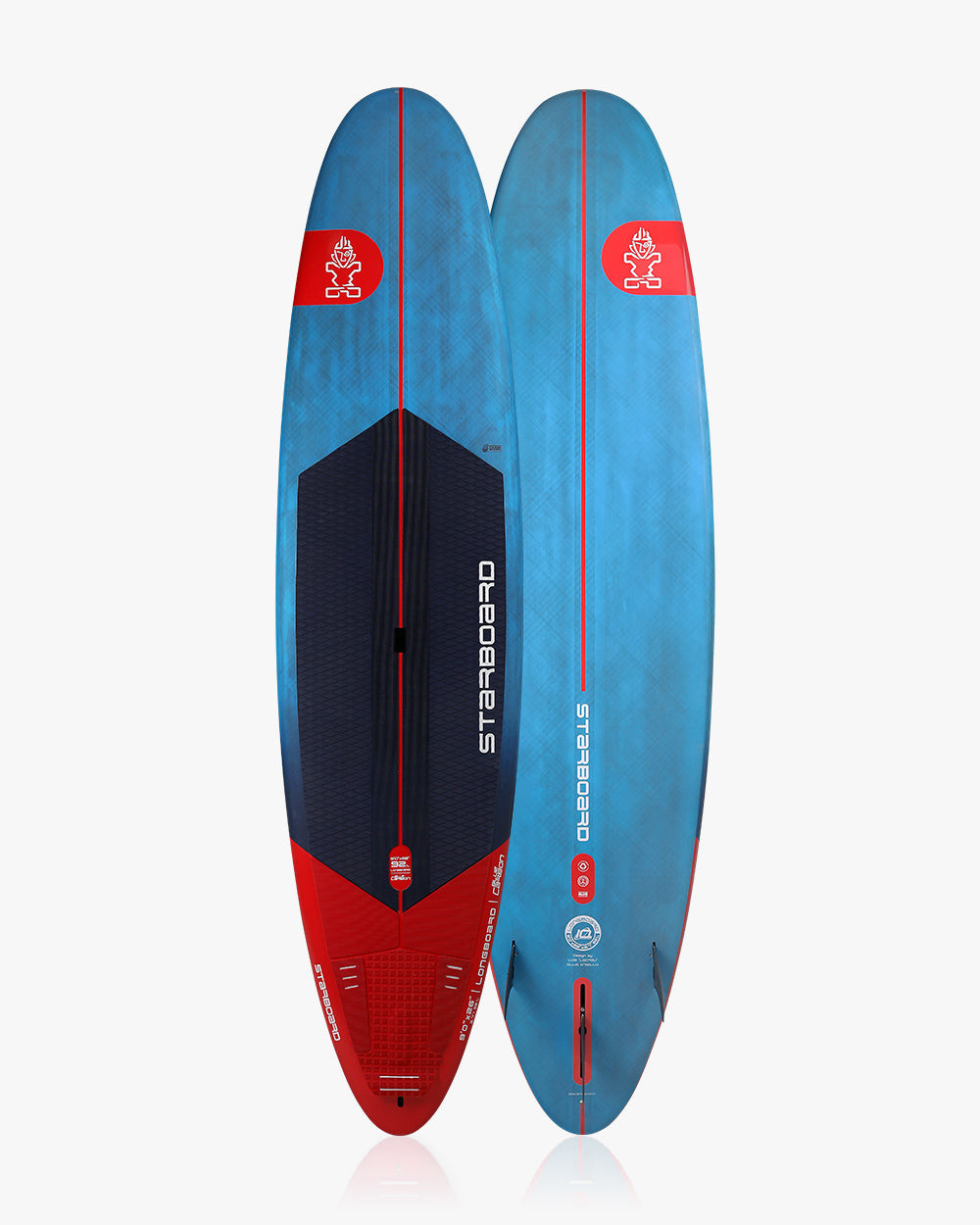
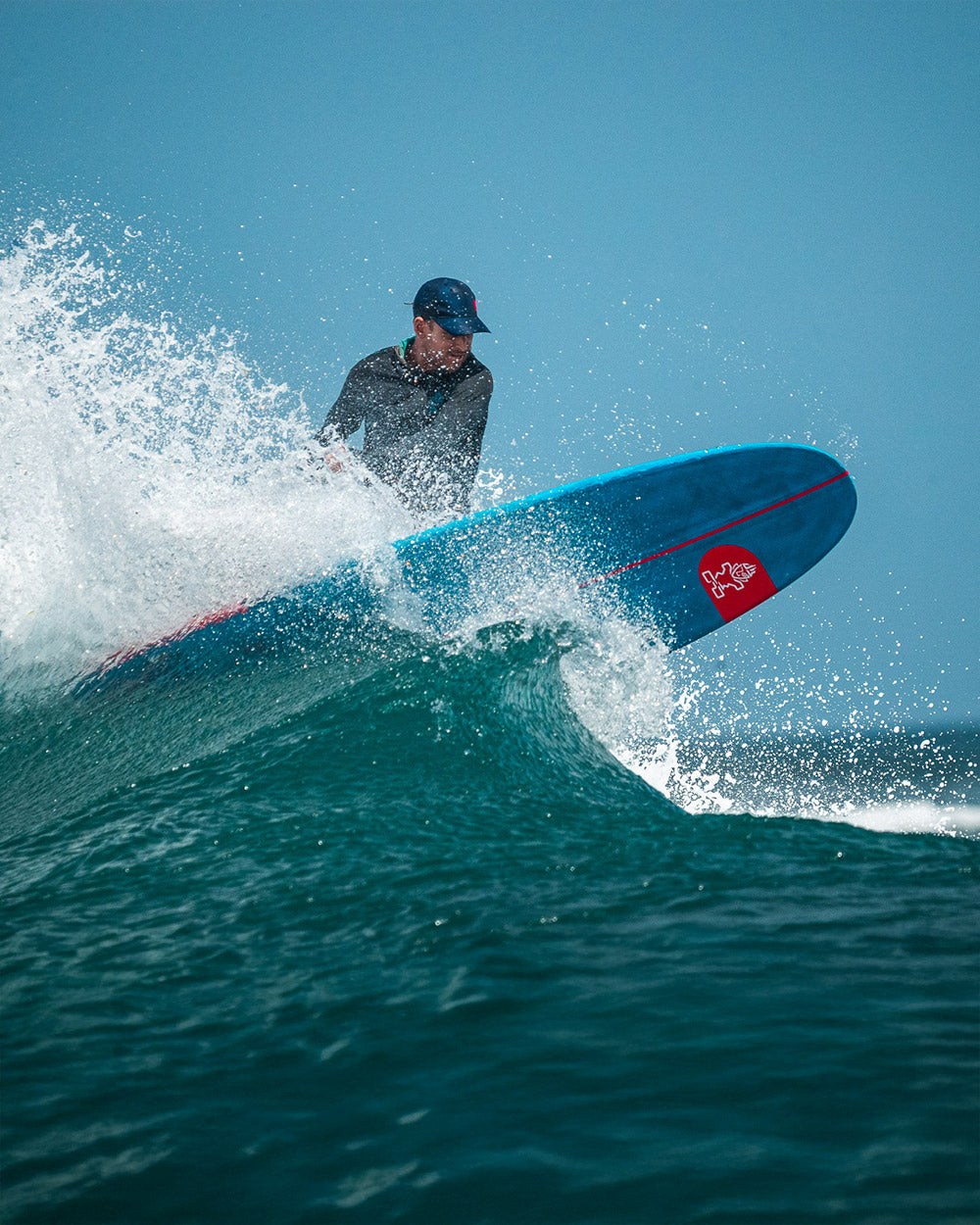
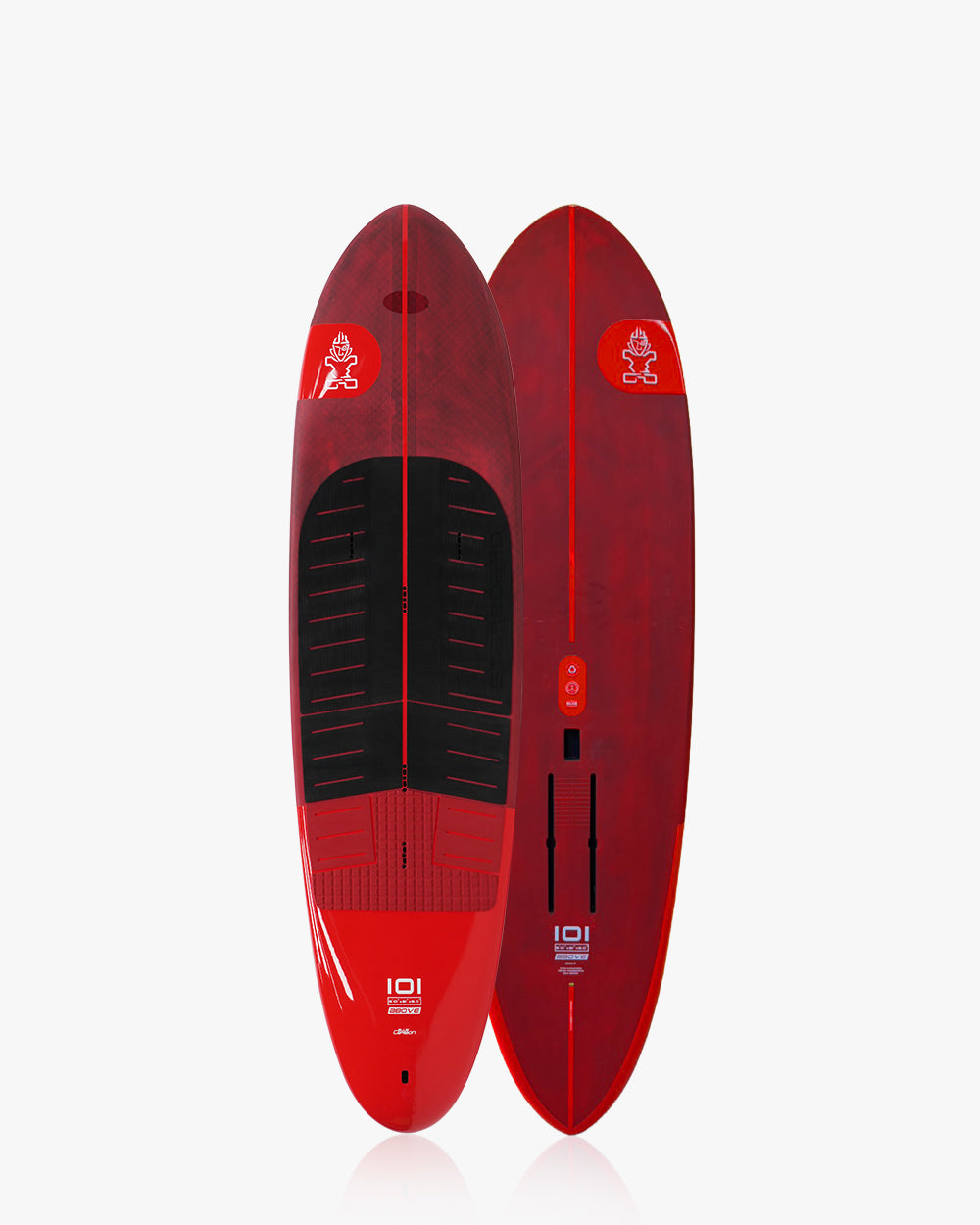
Discover Starboard’s Surf Paddleboard collection, featuring cutting-edge innovations for enhanced performance. Designed for all skill levels, these boards offer maximum power, control, and maneuverability in any wave conditions.
Surf Paddleboards
Discover Starboard’s Surf Paddleboard collection, featuring cutting-edge innovations for enhanced performance. Designed for all skill levels, these boards offer maximum power, control, and maneuverability in any wave conditions.
Filter
Product categories
Sort by:
Performance Surf Paddleboards by Starboard
Welcome to Starboard's Surf Paddleboard collection, where innovation meets versatility to enhance your surfing experience. Designed with distinct ranges catering to rider skill levels and surfing conditions, our Surf Paddleboards ensure there's a perfect match for every surfer. Whether you're a beginner catching your first wave or an experienced rider seeking high-performance equipment, our paddleboards are crafted to elevate your surfing game. With a variety of designs tailored to different surfing styles and abilities, our collection offers optimal power, control, and maneuverability in any condition. Explore our Surf Paddleboards collection today and discover the perfect paddle to enhance your surfing adventures with Starboard.
Surf Paddleboard FAQs
What size SUP surf board do I need?
The right SUP surf board size depends mostly on your skill level and weight, with stability first and performance later. Beginners should choose a bigger, more stable board, since extra volume and width make it far easier to balance, paddle into waves, and stand up on moving water. A wider board around 30" to 32" gives a forgiving platform to learn wave-riding on, and going too small too soon is the most common mistake surfers make. As your skill grows, you size down: a shorter, narrower board turns more sharply and feels looser on the wave face, which is what advanced surfers want for steeper, faster waves. Your weight matters too, since heavier riders need more volume to stay afloat and catch waves early. A good rule is to start with more stability than you think you need, then move to a smaller, higher-performance shape once you are catching and turning on waves confidently.
Remember, being stable means you will catch more waves.
SUP surfing vs regular surfing — what are the key differences?
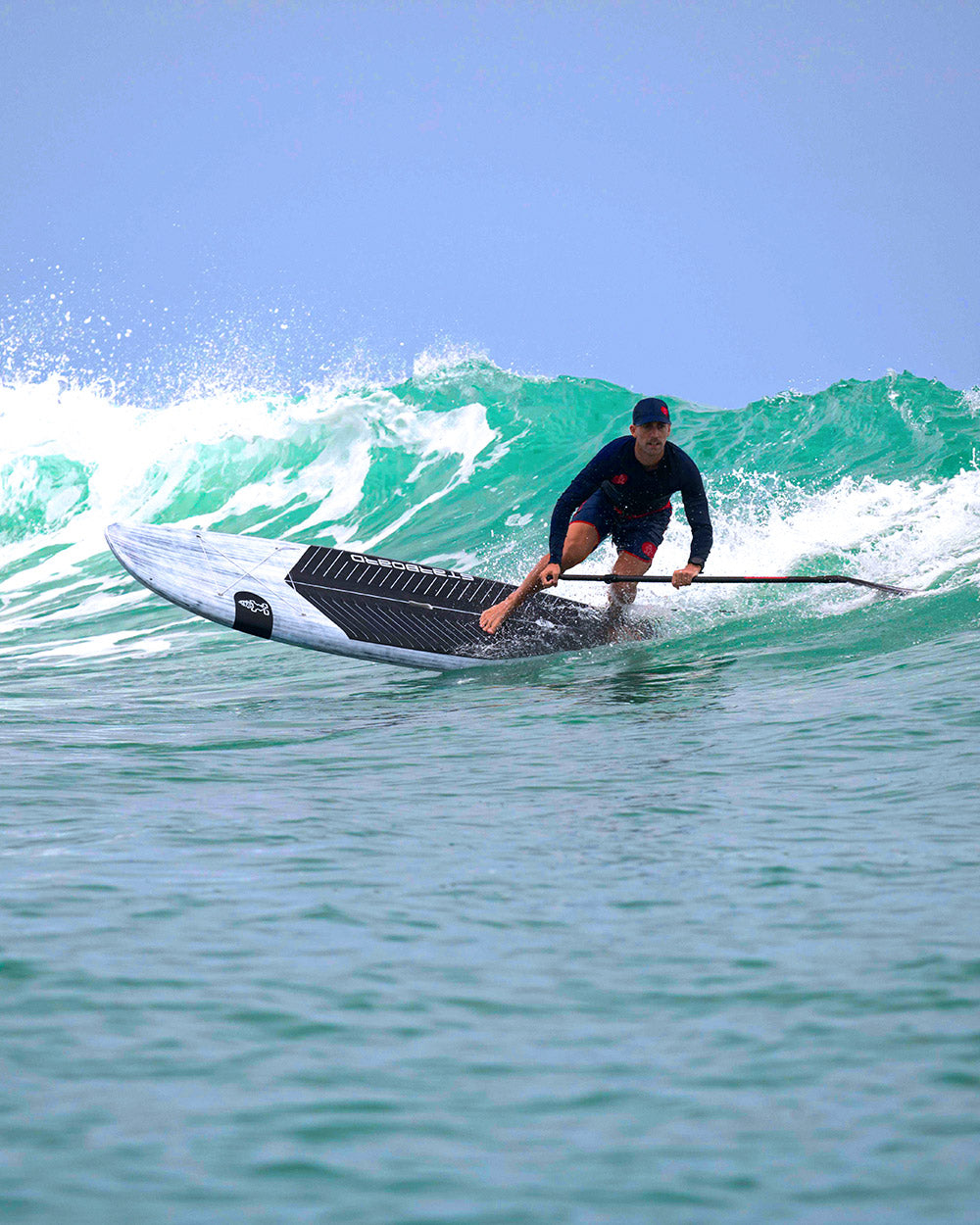
The main difference is that SUP surfing starts with you already standing and using a paddle, while regular surfing means lying down and popping to your feet as the wave arrives. That single change makes SUP surfing easier to pick up, because you skip the pop-up, which is the hardest part of learning to surf. The paddle also helps you build speed, catch waves earlier, and steer through a ride. Because a SUP floats more, you can ride smaller, gentler waves that a regular surfboard would not catch. The trade-off is size: a SUP is bigger and less nimble than a prone surfboard, and you need to hold your balance the whole time, not just on the wave.
Here are some summarised key differences between SUP surfing and regular (prone) surfing:
- Starting position: in SUP surfing you're already standing; in regular surfing you lie down then pop up.
- Paddle: SUP surfing uses a paddle for speed and steering; regular surfing has none - you 'prone' paddle with your arms.
- Learning curve: SUP surfing is easier with no pop-up; regular surfing is steeper, with the pop-up to master.
- Wave catching: SUP surfing catches waves earlier; regular surfing needs more wave power.
- Small waves: SUP surfing rides smaller, gentler waves; regular surfing needs bigger, cleaner waves.
- Board feel: SUP surfing is bigger, more stable and less nimble; regular surfing is smaller, quicker and more reactive.
- Balance: SUP surfing needs balance the whole time; regular surfing mainly once you're riding.
Wedge vs Spice vs Pro Surf — which SUP surf board?
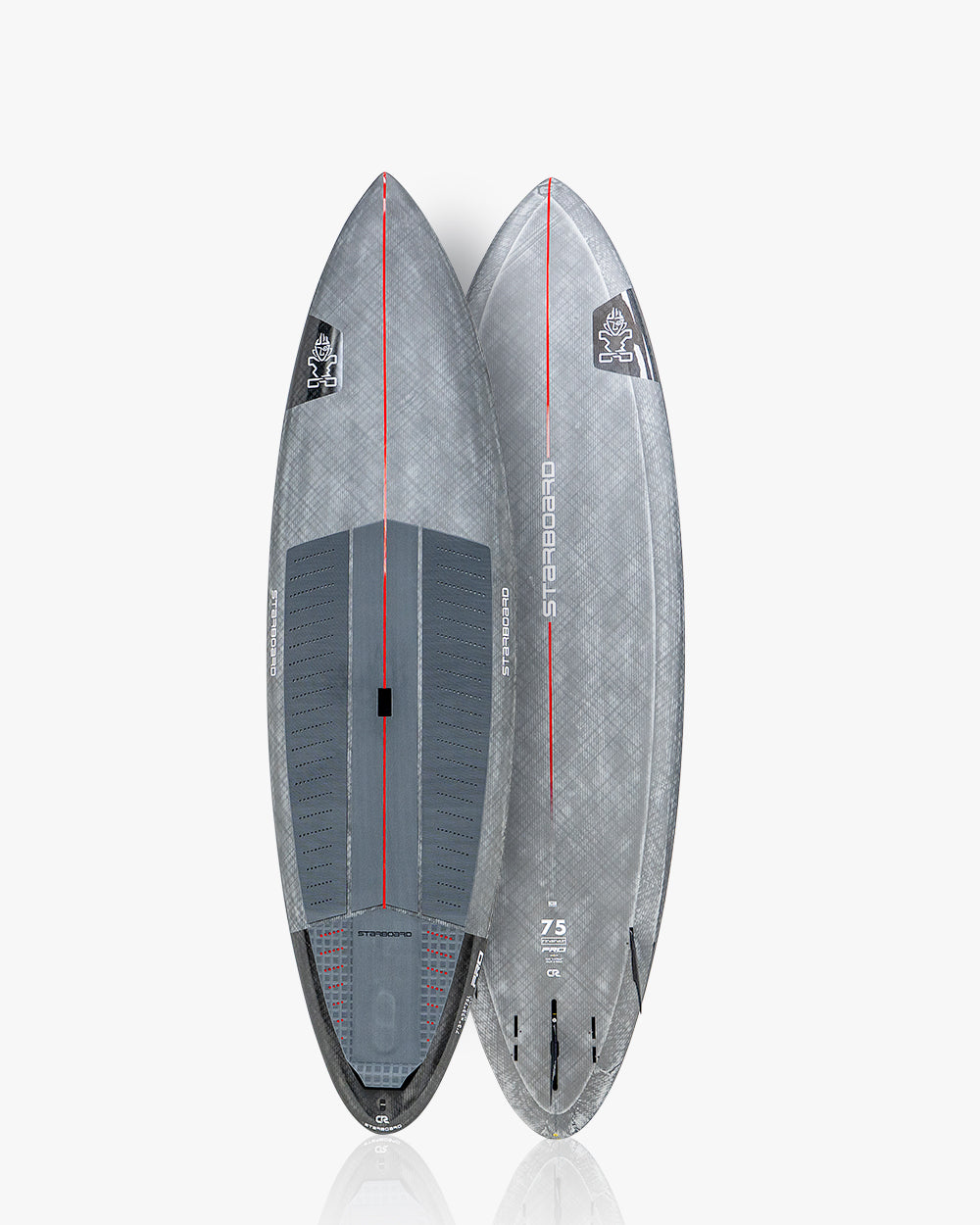
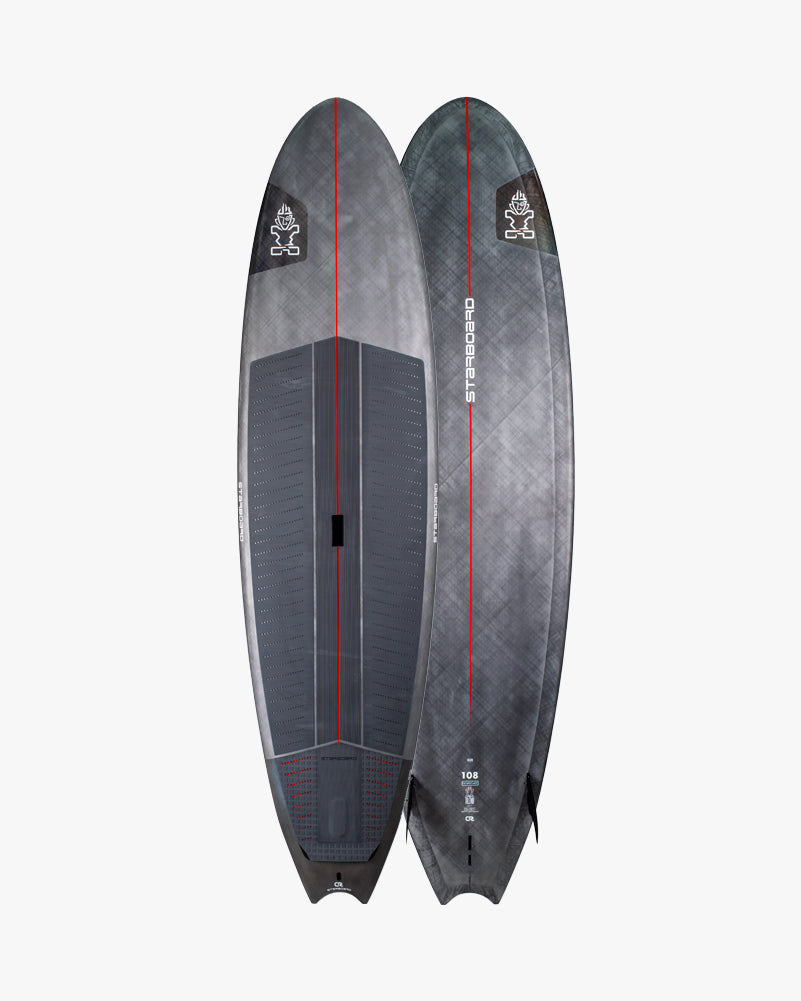
Choose the Wedge for stability and progression, the Spice for versatile all-round surfing, and the Pro for high-performance surfing on steeper waves. The three sit on a clear ladder from easy to expert. The Wedge is the most stable at 32" wide, forgiving and easy to turn, so it suits improvers and heavier riders who want to surf better for longer. The Spice is the versatile middle choice, often called a quiver killer, with a stable nose and thinner rails that handle many wave types well. The Pro is the most technical, built for advanced surfers who want maximum speed and sharp, reactive turns on fast, powerful waves. Match the board to your skill and the waves you ride most.
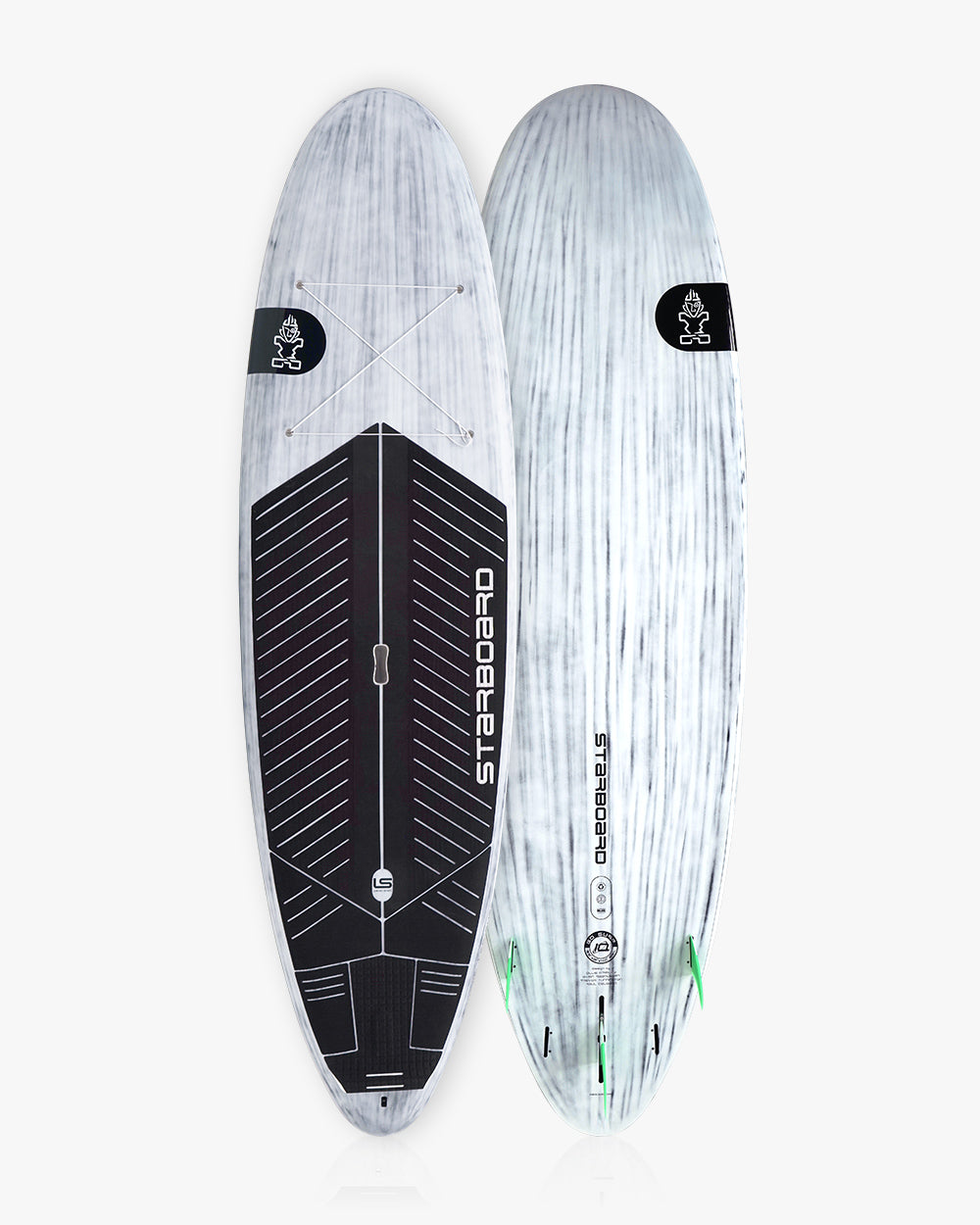
- Wedge — Best for progression and stability. Forgiving and easy to turn; suits improver to intermediate riders.
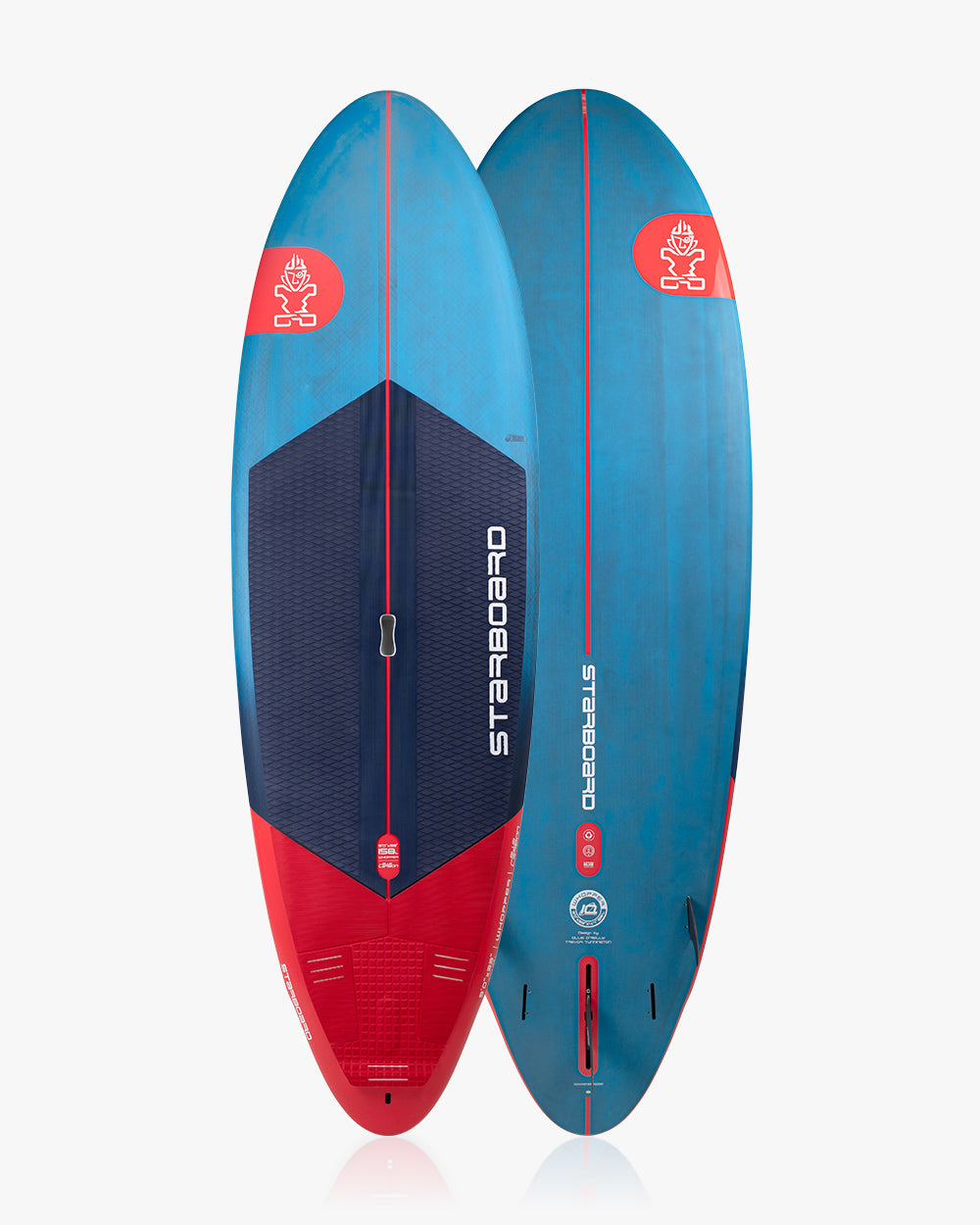
- Spice — Best all-round, across many conditions. Versatile and balanced; suits intermediate to advanced riders.
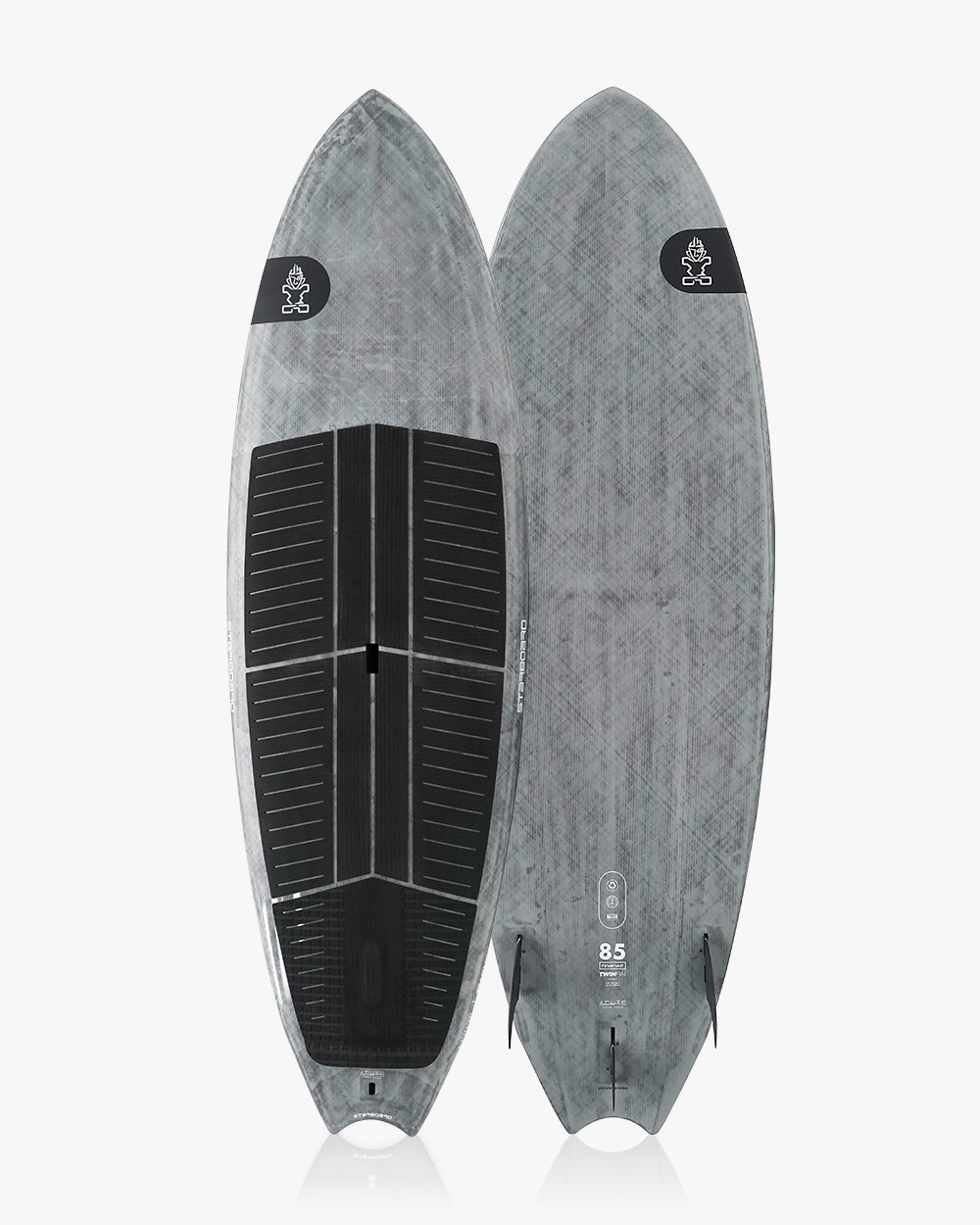
- Pro — Best for steep, fast waves. Sharp, reactive and fast; suits advanced riders.
Thruster (tri-fin) vs twin fin vs single fin for SUP surfing
Your fin setup shapes how a SUP surfs more than almost any other single element. The three most common configurations — thruster (tri-fin), twin fin and single fin — each hold the water differently, so each one turns, grips and glides in its own way. Here's how they compare at a high level:
- Feel: thruster is precise and controlled; twin is loose and skate-like; single is smooth and classic.
- Turning: thruster is tight, sharp and radical; twin is fast and lively with tail-slide arcs; single carves long and drawn-out.
- Grip and hold: thruster is highest, holding in steep waves; twin is moderate, freer and looser; single is lowest, flowing with less bite.
- Speed: thruster has strong drive and holds a line; twin unlocks speed quickly; single has fast glide with the least drag.
- Best waves: thruster for bigger, powerful, critical surf; twin for smaller, weaker, playful surf; single for cruising, nose-riding and all-round.
- Suits: thruster for performance surfers; twin for intermediate to advanced, radical riders; single for beginners and classic longboard style.
Thruster (tri-fin): A centre fin flanked by two side fins, the thruster is the performance benchmark. The extra fins give maximum grip and drive, letting you turn tight and sharp, snap off the top and hold your line through steep, powerful, critical sections. It sits snugly in the pocket of the wave for precise, controlled turns, which is why it's the go-to setup when the surf gets bigger and more demanding.
Twin fin: Drop the centre fin and the board comes alive. A twin runs looser and freer, with a skate-like feel that generates speed quickly and rewards high-line rail carves and tail-slide turns. It's at its best in smaller, weaker waves, letting less powerful surf be ridden far more radically and with less technique — while still holding enough drive to perform when the waves stand up. It trades a little of the thruster's outright hold for a livelier, faster ride.
Single fin: A single centre fin has the least drag of the three, so it flows fast down the line and favours long, sweeping carves, relaxed cruising and nose-riding. It delivers that smooth, drawn-out, classic old-school longboard feel, and it's forgiving and easy underfoot — which is why it's the natural choice on longboard shapes and for anyone who loves a timeless, glide-focused style of surfing.
Many boards let you tune this to conditions, too: some accept more than one configuration, so you can switch between a thruster and a twin as the waves change.
What wave conditions are best for SUP surfing?
The best waves for SUP surfing are small, clean, and gentle, roughly knee to waist high, breaking slowly over a sandy bottom. Waves this size have enough push to carry you but are easy to catch and forgiving if you fall, which makes them ideal for learning and for relaxed sessions. Look for light or offshore winds, since they smooth the wave face and make riding cleaner, while strong onshore winds create choppy, messy surf. Slow, spilling waves are better than steep, fast-breaking ones. As your skill grows, you can move on to bigger, more powerful waves with more confidence.
Carbon vs Starlite for SUP surf boards?
For SUP surf boards, choose carbon for maximum performance and Starlite for durable value. Starboard's premium surf carbon build, Acute Carbon, uses carbon for a light, lively board with natural flex and explosive drive, plus strategic carbon patches for impact protection, so it feels reactive and precise on the wave. Starlite, now called Pinetec, uses a sustainably sourced Australian pine wood deck with twin T-stringers for high strength against heavy drops and wipeouts, at a more affordable price. Carbon gives you performance and a lighter ride, while Starlite gives you toughness and value. Summary of these two constructions:
- Carbon (Acute Carbon) — Best for performance surfing. Light and lively with natural flex — the pick when maximum performance matters.
- Starlite (Pinetec) — Best for everyday surfing. A pine deck with high breakage strength — the pick for durability and value.