Expedition Paddleboards
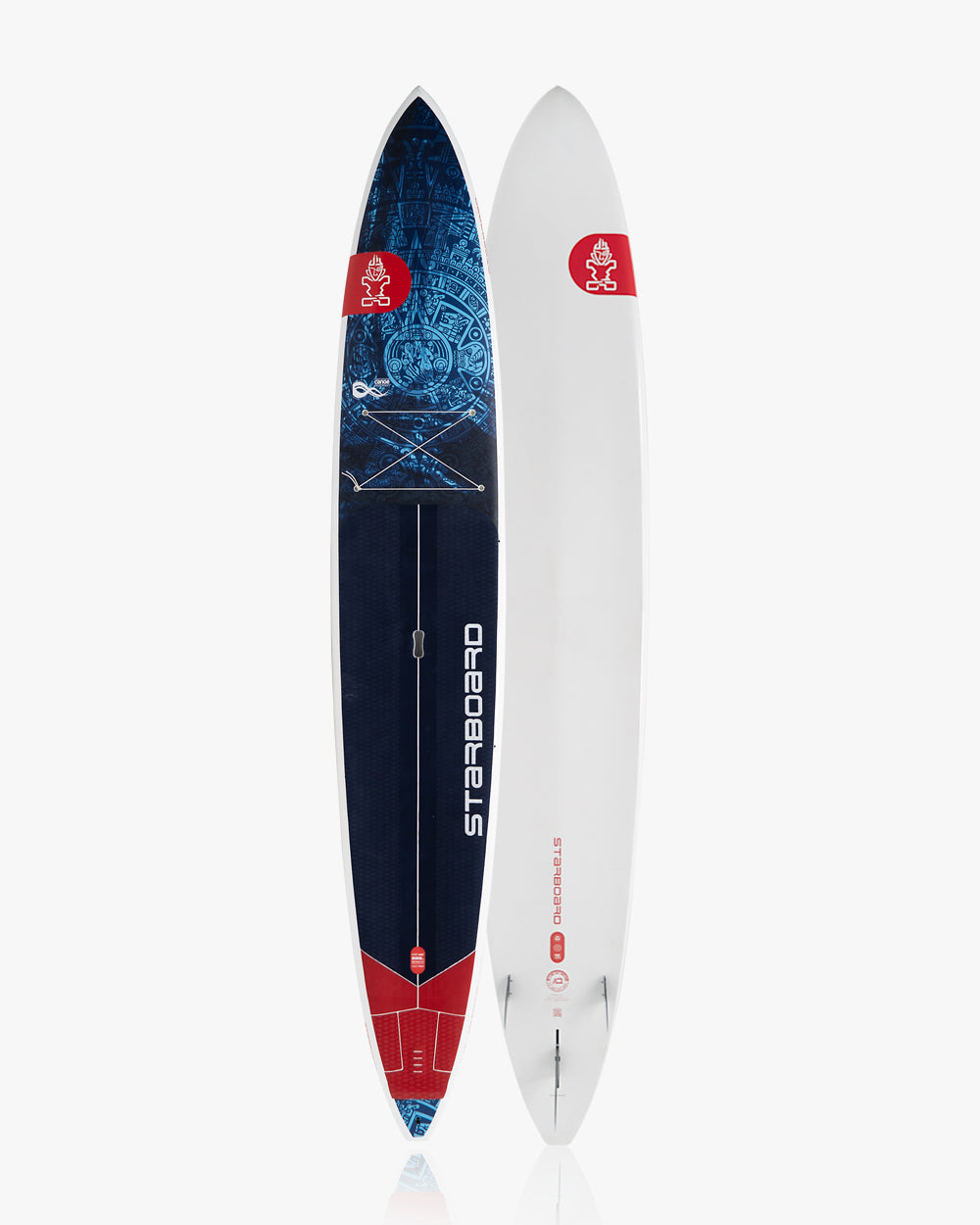
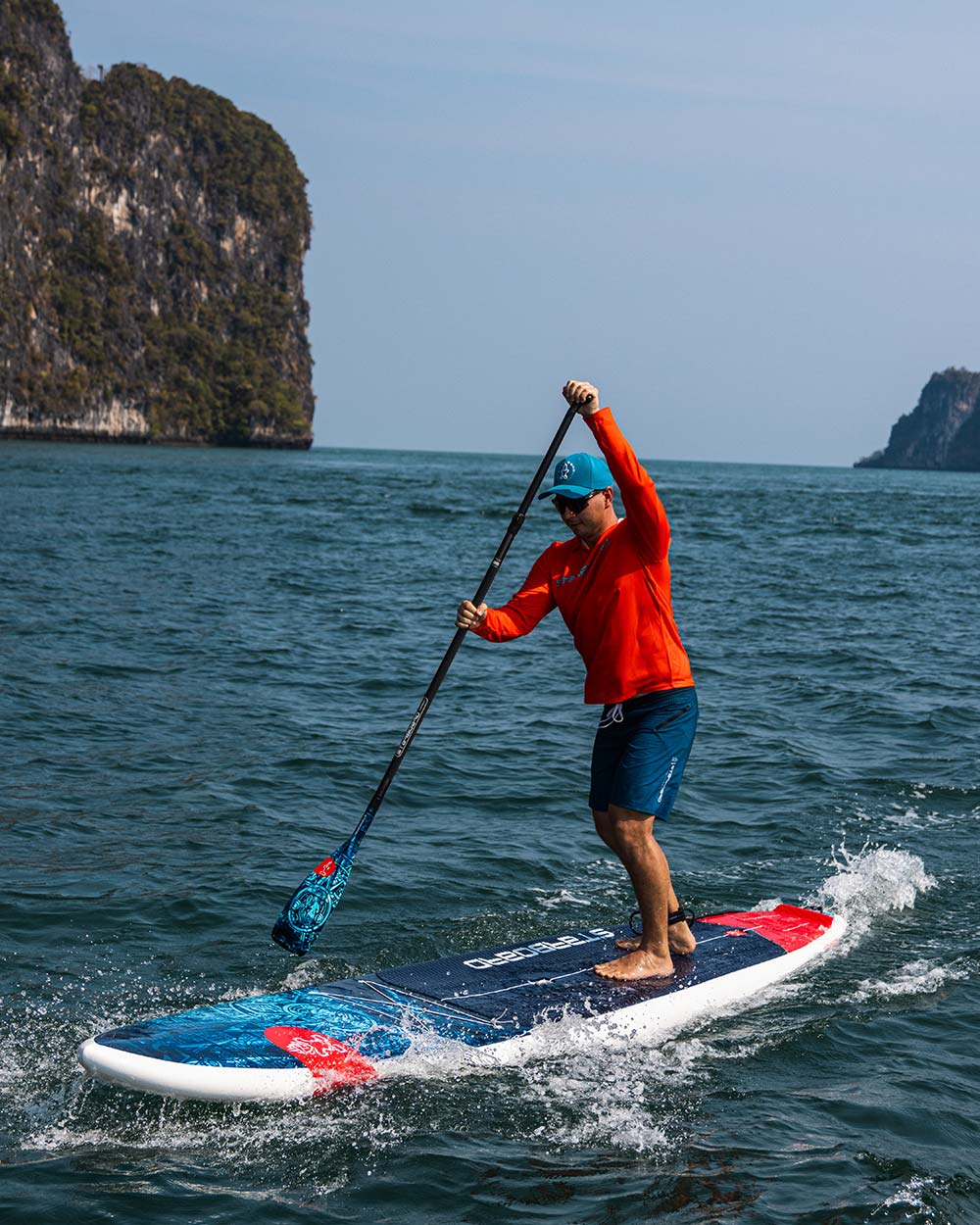
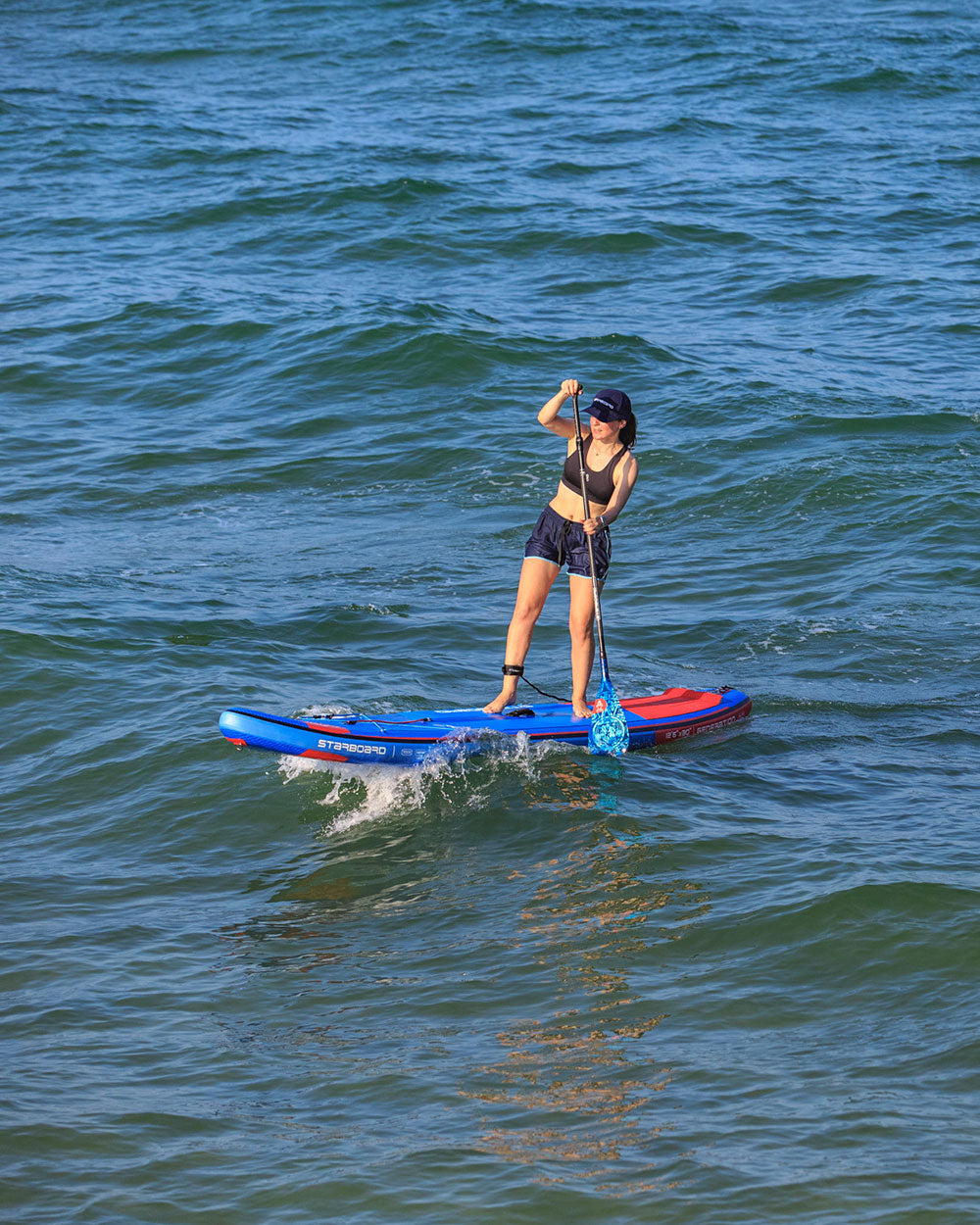
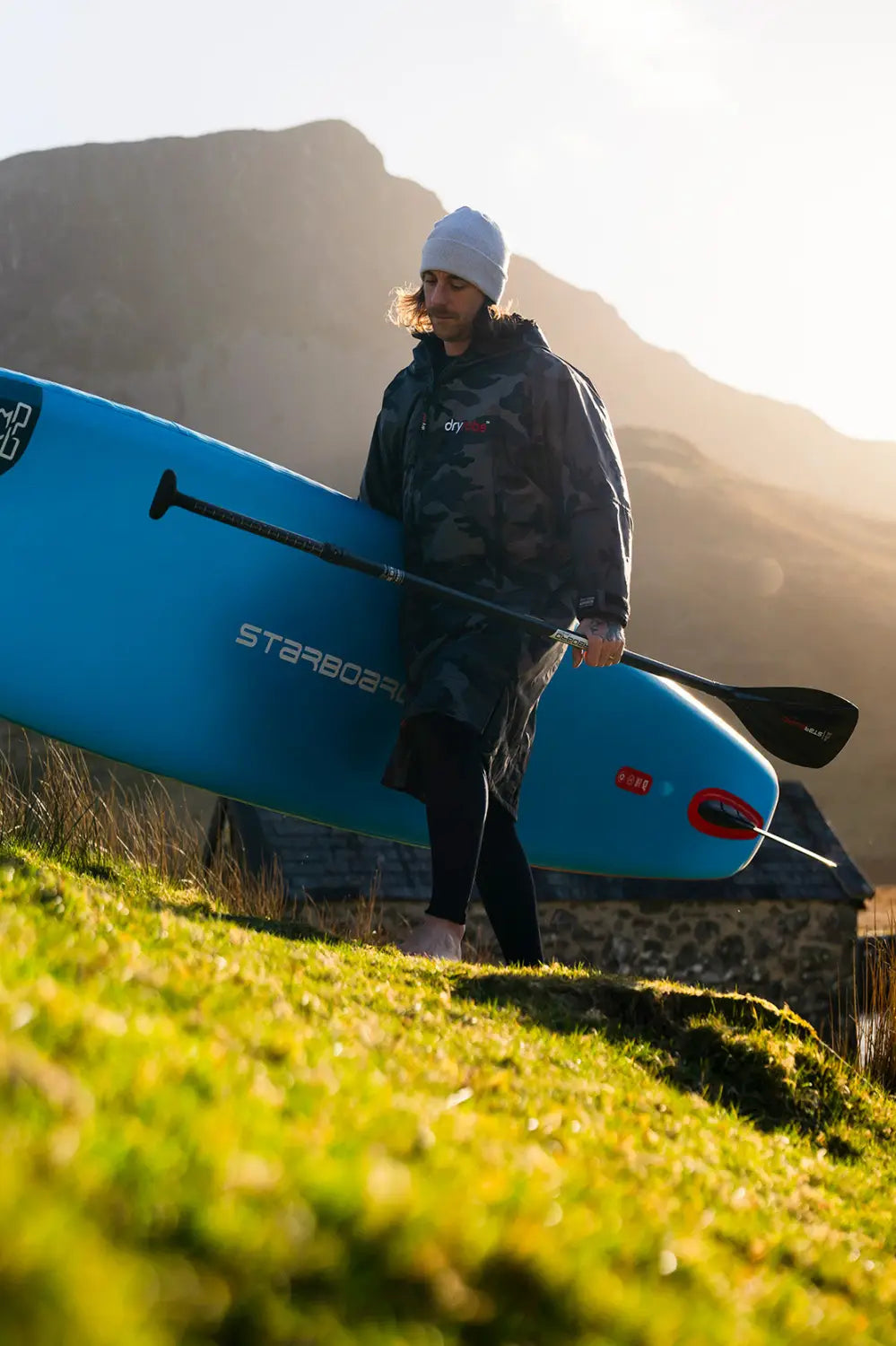
Embark on your next adventure with Starboard’s Expedition Paddleboards collection, designed for long-distance journeys on the water. Built for durability, stability, and speed, these paddleboards are perfect for exploring remote waterways or taking on rugged coastlines.
Expedition Paddleboards
Embark on your next adventure with Starboard’s Expedition Paddleboards collection, designed for long-distance journeys on the water. Built for durability, stability, and speed, these paddleboards are perfect for exploring remote waterways or taking on rugged coastlines.
Filter
Product categories
Sort by:
Expedition Paddleboards for Adventures & Touring
Welcome to Starboard's Expedition Paddleboards collection, where adventure meets reliability for your most ambitious journeys on the water. Crafted with the explorer in mind, our Expedition Paddleboards are designed to withstand the rigors of long-distance paddling while providing exceptional stability, speed, and versatility. Engineered with advanced technology and premium materials, these paddleboards offer unmatched durability and performance, ensuring you can tackle any expedition with confidence. Whether you're embarking on a multi-day trek along rugged coastlines or navigating through remote waterways, our Expedition Paddleboards are your trusted companion for conquering new horizons. Explore our collection today and experience the freedom of exploration with Starboard.
Expedition Paddleboard FAQs
What size touring SUP for multi-day trips?
For multi-day trips, the best touring SUP is usually 12'6" to 14' long, which gives the glide and straight tracking you need to cover distance efficiently. Length is what makes a touring board fast and steady over long paddles, so a 14' board is the strongest choice for serious expeditions, while a 12'6" suits shorter tours and lighter paddlers. Width matters to: aim for at least 28", and go wider, around 30" to 32", if you want more stability with a heavy load. The most important number for multi-day paddling is weight capacity. Your board has to float you plus all your gear, so check that the combined weight of rider, camping kit, food, and water sits comfortably within the board's limit, with some room to spare. Look for front and rear bungee tie-downs and a low, recessed cargo area, which keep heavy gear secure and centred for a stable, confident ride.
Touring SUP vs all-round SUP for long distances?
For long distances, a touring SUP is the better choice, because its shape is built for efficient glide over many kilometres. A touring board is longer with a pointed nose that cuts cleanly through the water, so it tracks straight and carries more speed with each stroke, meaning less effort over a long paddle. An all-round board has a wider, rounded shape that is more stable and versatile for casual paddling, but it creates more drag and tires you out sooner over distance. If most of your paddling is short and relaxed, an all-round board is fine. For covering real distance or multi-day trips, a touring board rewards you with speed and less fatigue.
- Nose shape: touring is pointed and cuts through the water; all-round is rounded and rides over chop.
- Glide: touring is long and efficient; all-round is shorter with more drag.
- Tracking: touring stays straight for longer; all-round needs more paddle switching.
- Speed over distance: touring is faster with less effort; all-round is slower and tires you sooner.
Stability: touring is steady but needs a little skill; all-round is very stable and forgiving. - Best for: touring suits distance, touring and expeditions; all-round suits casual, mixed, all-round use.
Inflatable vs hard touring SUP for expedition paddling
For most expeditions, an inflatable touring SUP is the more practical choice, because it gets you to remote water that a hard board cannot. An inflatable packs into a bag you can carry on your back, fit in a car, or check on a flight, so you can reach hidden put-ins and far-off shores. It also shrugs off rocks and rough handling, and often carries more gear. A hard touring board glides slightly better and feels a little more efficient over long distances, so it suits expeditions where you launch close to home. But when the adventure involves travel, hiking in, or rugged shorelines, the inflatable's portability and toughness usually win.
- Getting to remote water: inflatable packs into a bag to hike or fly in; hard needs a roof rack and road access only.
- Glide and efficiency: inflatable is very good; hard is slightly better over distance.
- Durability: inflatable handles rocks and rough ground; hard can dent on impact.
- Gear capacity: inflatable is often higher; hard is good but varies by board.
- Storage: inflatable packs down small; hard needs space.
- Best for: inflatable suits remote, travel and rugged trips; hard suits efficient paddling near home.
How much gear can you carry on a touring SUP?
How much gear you can carry depends on your board's weight capacity, which is the combined weight of you plus everything you load. To find your gear allowance, subtract your body weight from the board's maximum capacity, and leave some room to spare so the board still floats high and paddles well. A dedicated expedition board carries enough for multi-day trips, from camping kit and food to water and safety gear. Pack heavy items low and centred over the middle of the board, balanced front to back, and secure everything under the bungee tie-downs.
What paddle for long-distance SUP touring?
For long-distance touring, choose a lightweight carbon paddle with a smaller or medium blade. A light paddle saves your arms over the hundreds of strokes a long paddle takes, while a smaller blade lets you hold a steady, efficient cadence for hours without tiring. Starboard's Velocity paddle is shaped for exactly this: its thin, high-aspect blade with winglets moves through the water with minimal turbulence, giving a smooth, flutter-free stroke that holds speed over long distances with less strain on your body. Size it slightly longer than an all-round paddle, and an adjustable shaft lets you fine-tune the length.
How far can you paddle in a day on a touring SUP?
On a touring SUP, most paddlers cover around 15 to 25km (10 to 15 miles) in a full day at a relaxed, steady pace. A beginner on their first longer outings might manage 10 to 15km, while a fit, experienced paddler can push past 30km (20 miles) or more in a long day. Your real distance depends on wind, current, how much gear you carry, and how many breaks you take. A touring board's efficient glide is what makes these distances comfortable, since each stroke carries you further than on a wider all-round board.
Why do expedition paddlers choose Starboard Touring boards?
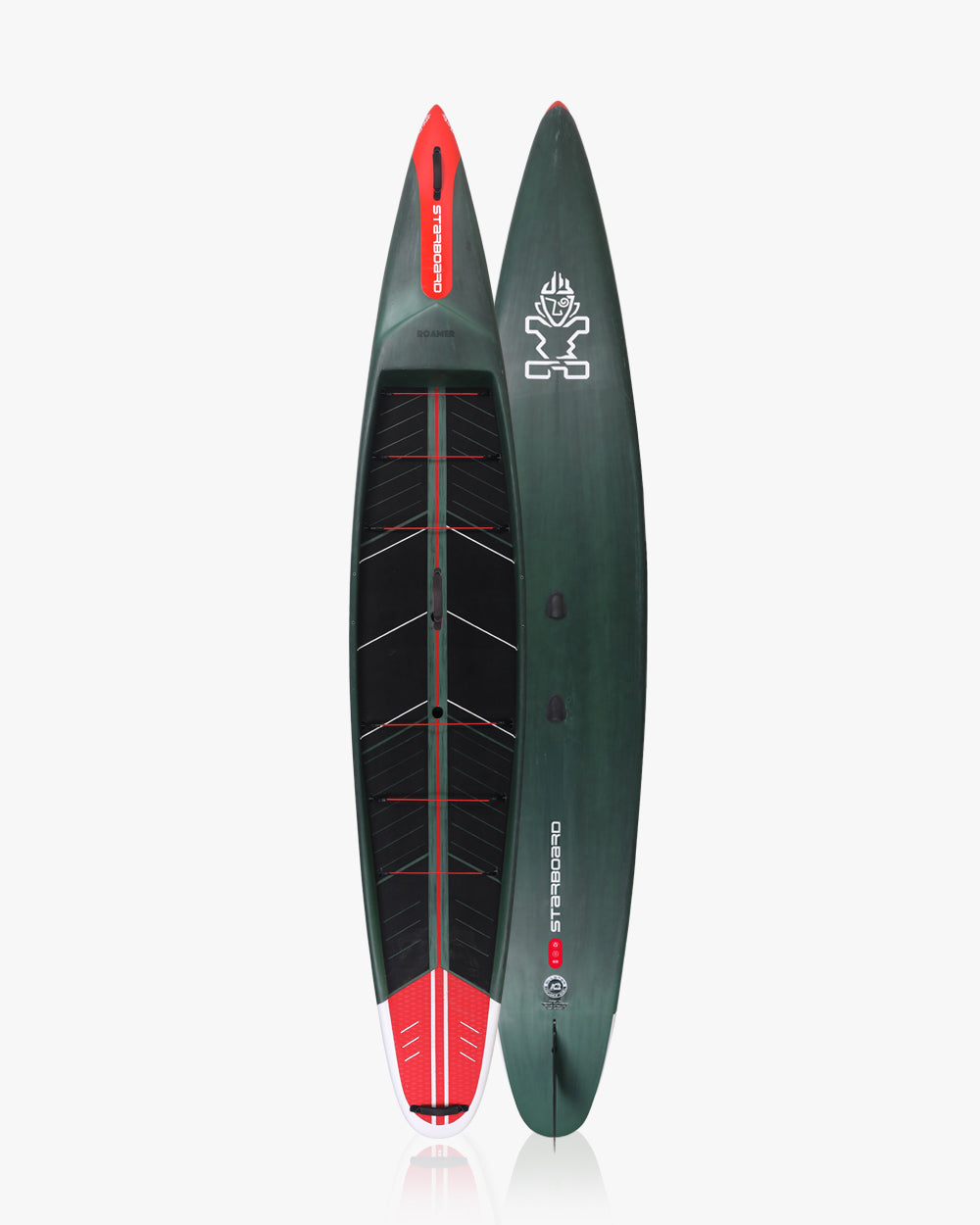
Expedition paddlers choose Starboard touring boards because they are designed as dedicated exploration platforms, built to carry gear over long distances without losing glide or stability. Starboard developed its expedition boards with real expedition paddler Bruce Kirkby, whose years of wilderness journeys shaped every detail. Its latest expedition board, the Roamer, carries the efficient glide and straight tracking of Starboard's race-winning All Star, so it stays fast even when fully loaded. Recessed cargo areas and front and rear bungee tie-downs keep heavy gear low and centred for a stable, confident ride, while tall rails add secondary stability for rough, changing conditions. The result is a board that carries everything you need and still paddles well after a long day.