Filter
Sort by:
ATTENTION: BEWARE OF SCAM & FRAUD WEBSITES
VERIFY YOU'RE VISITING OUR OFFICIAL SITE
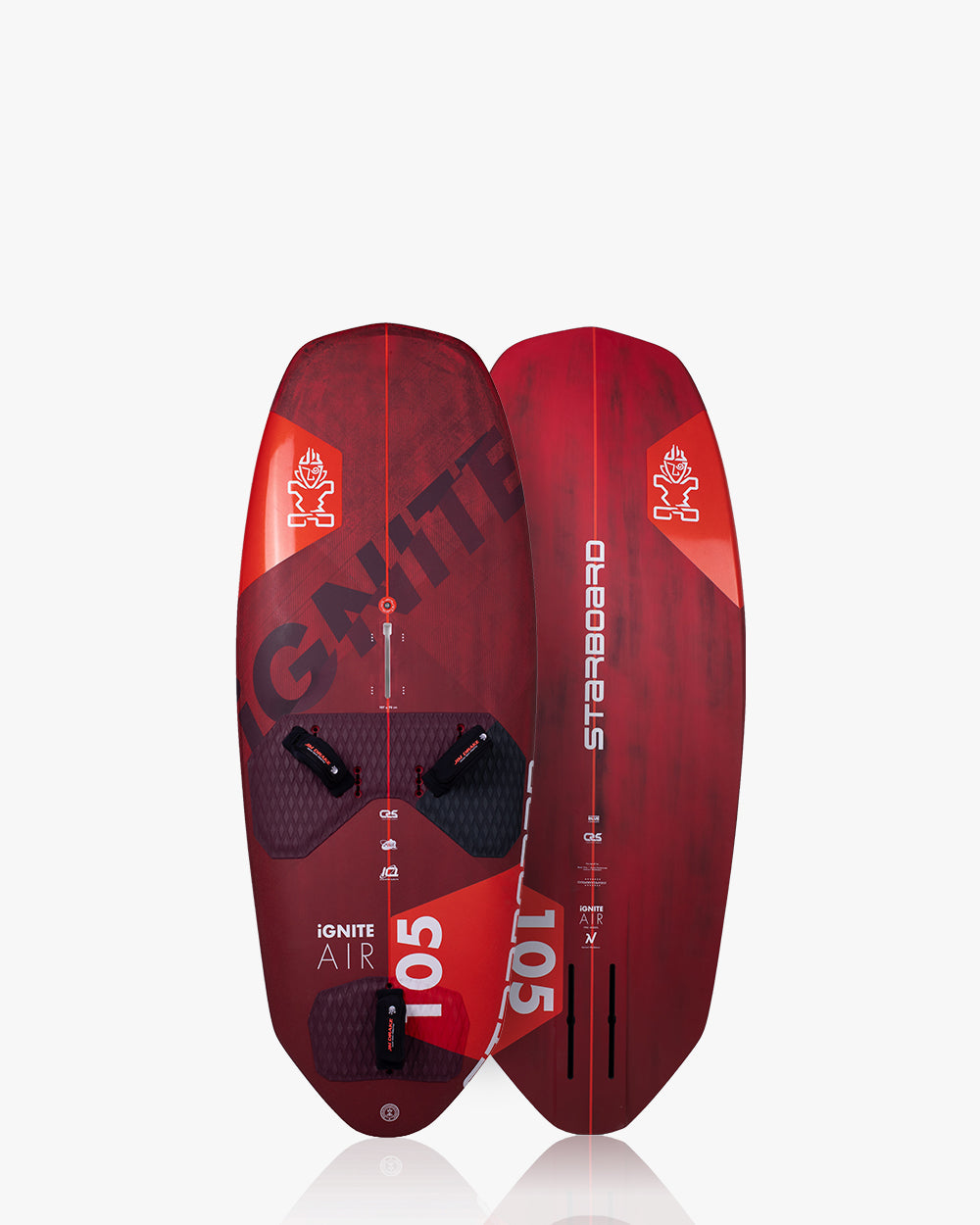
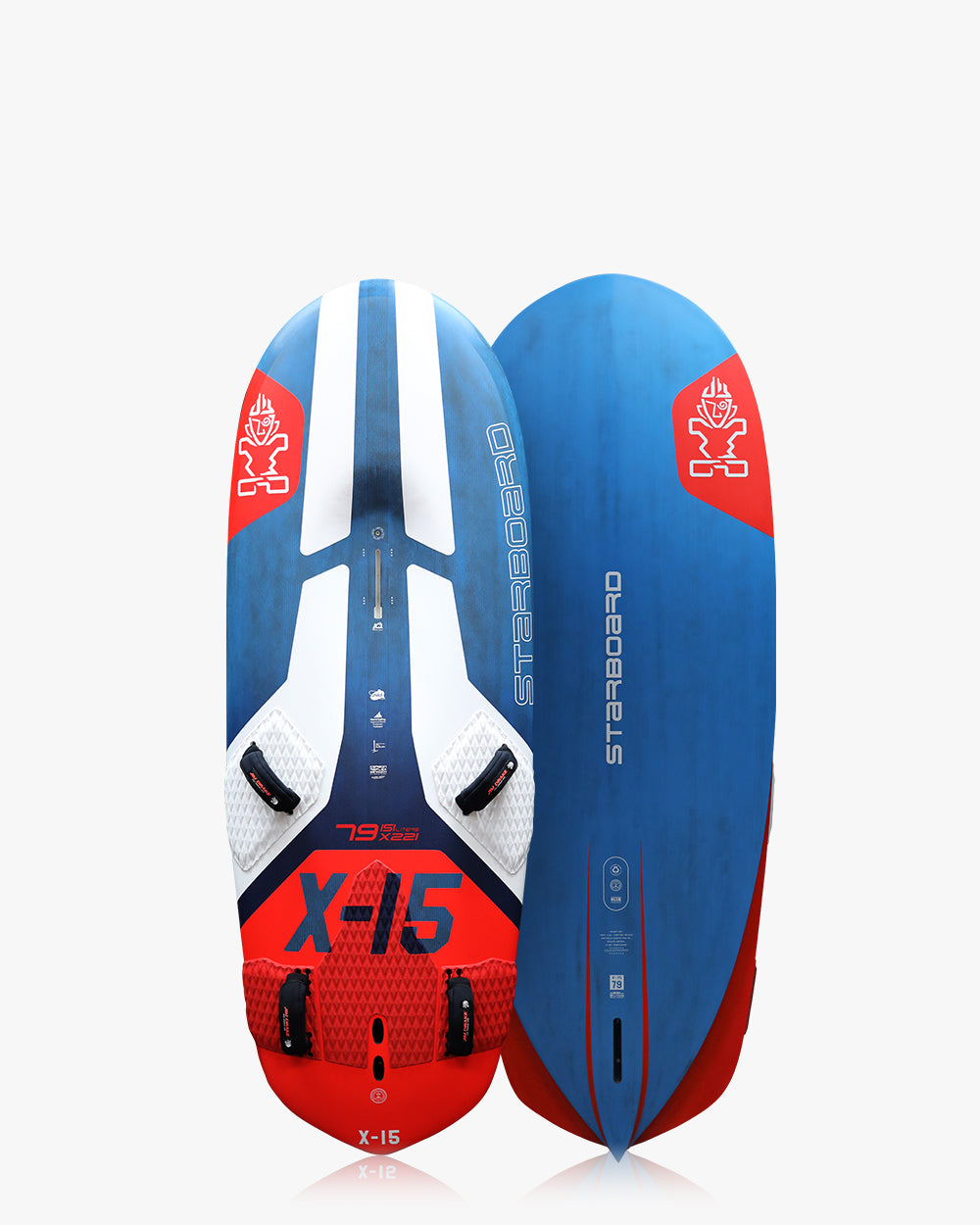
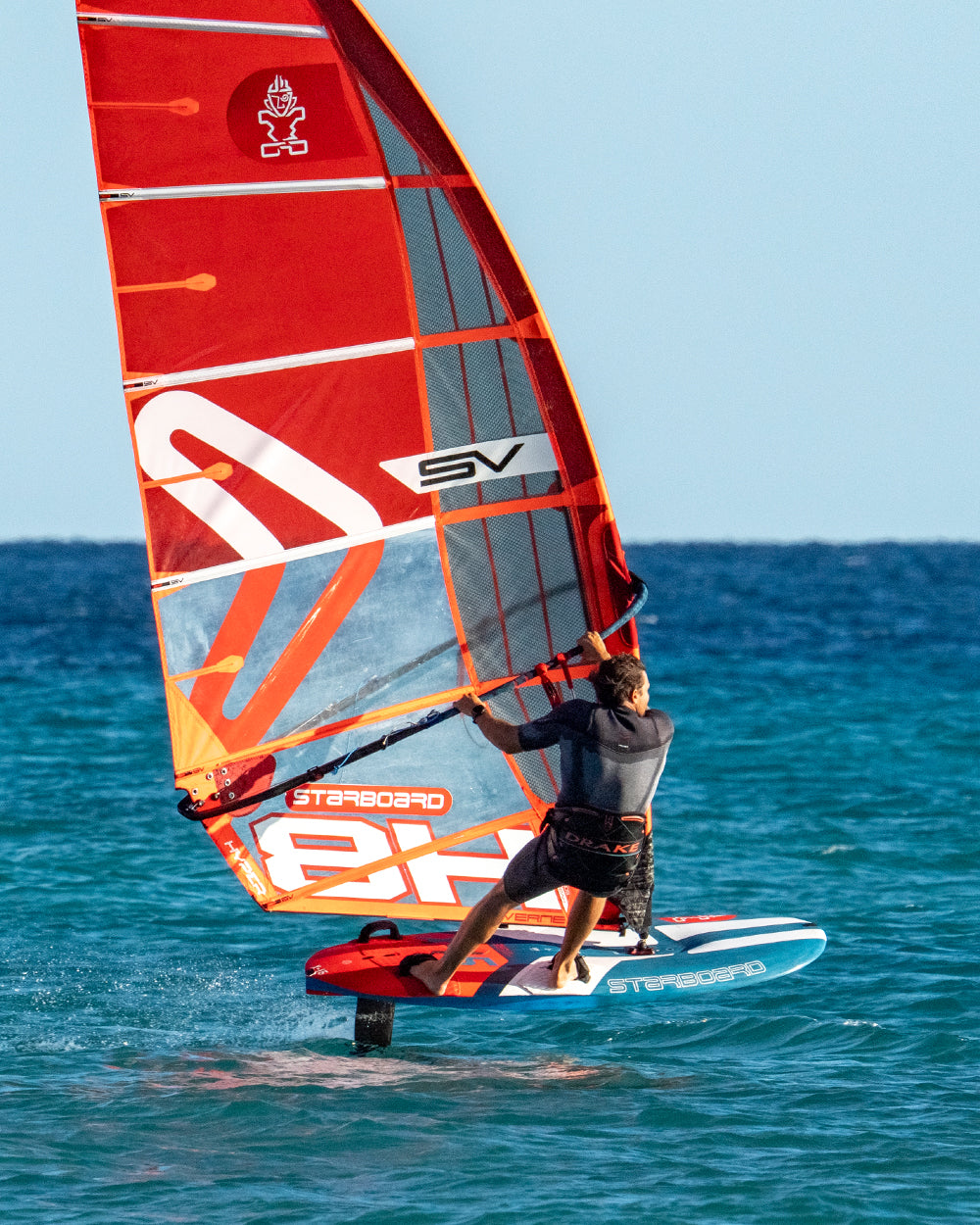
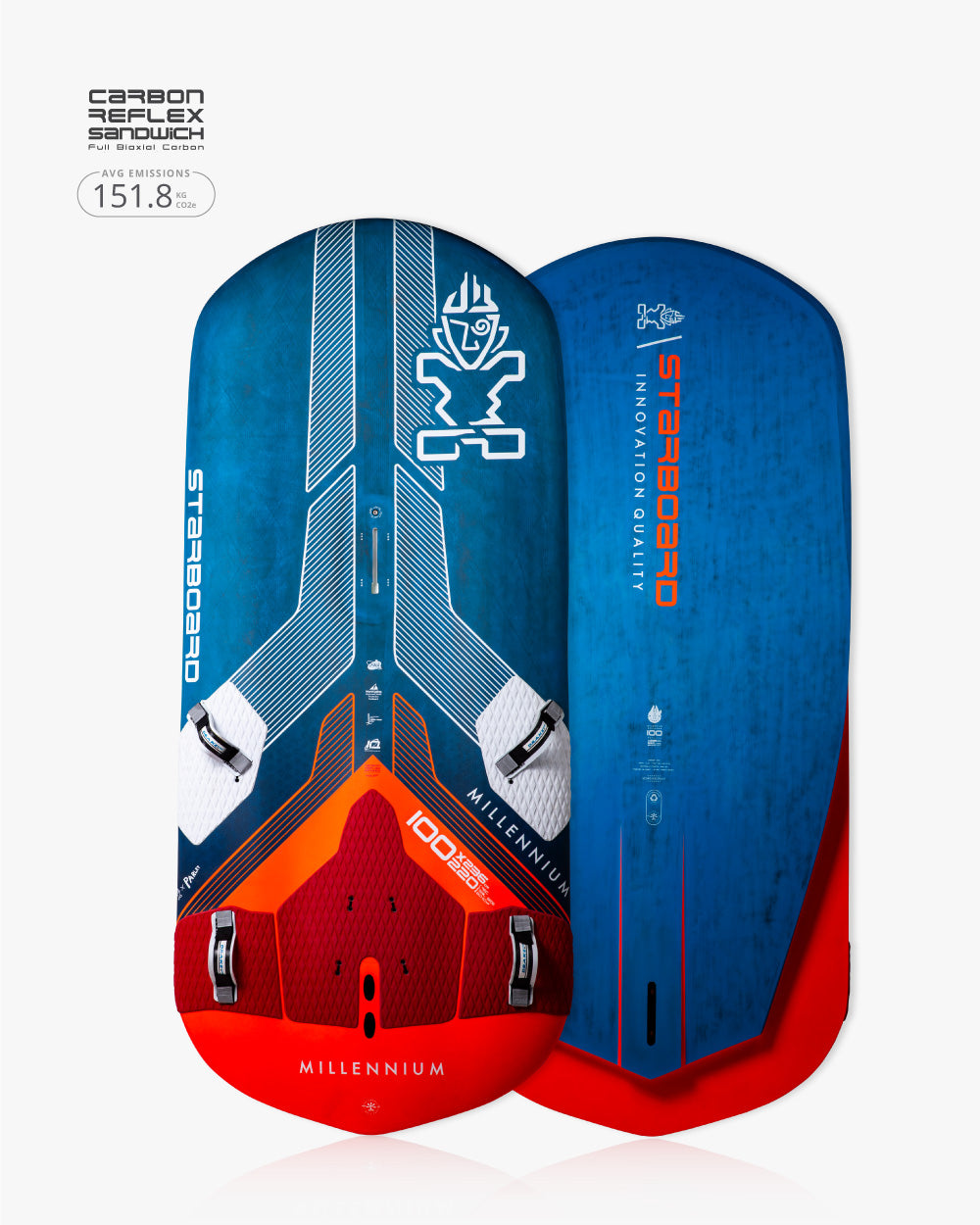
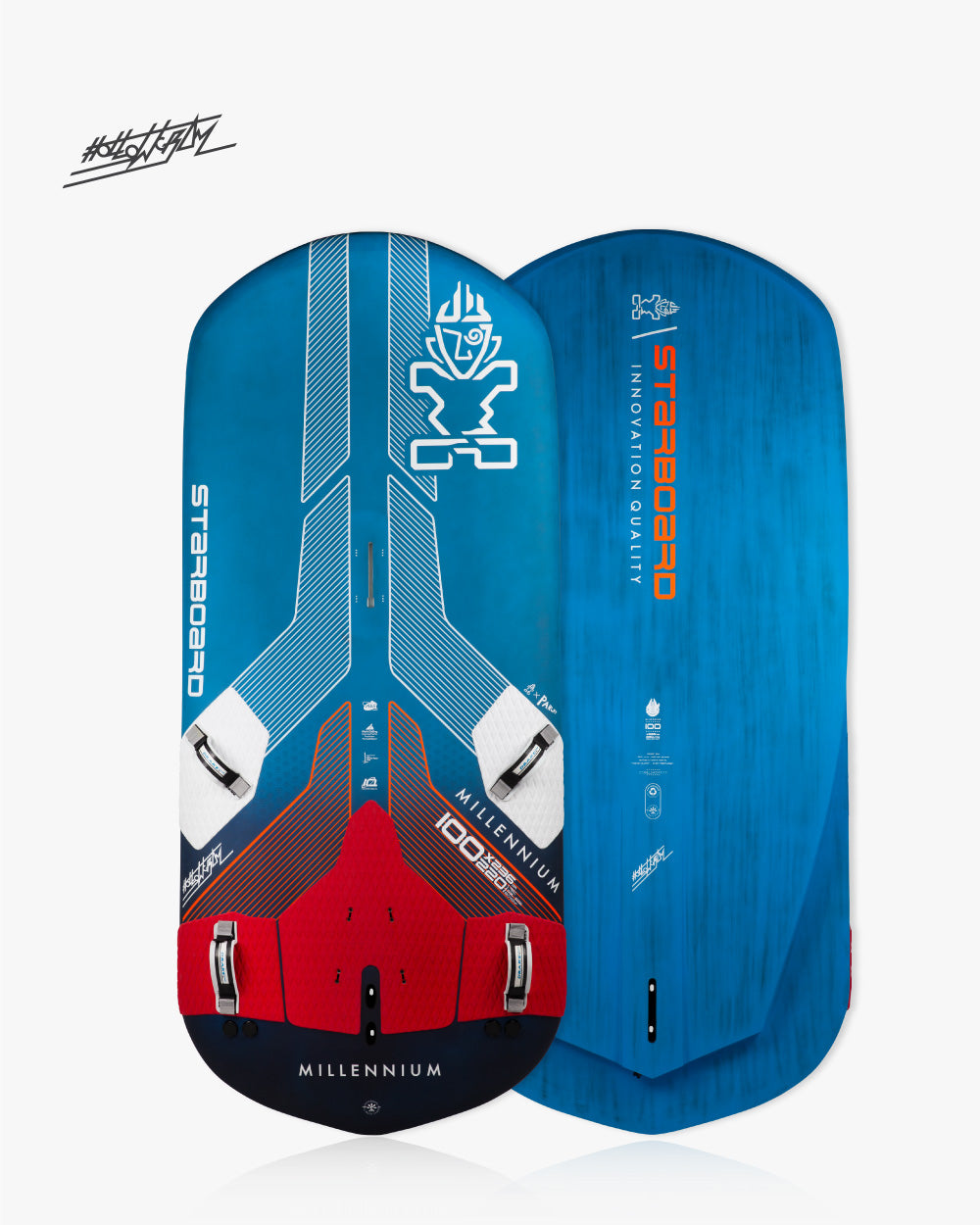
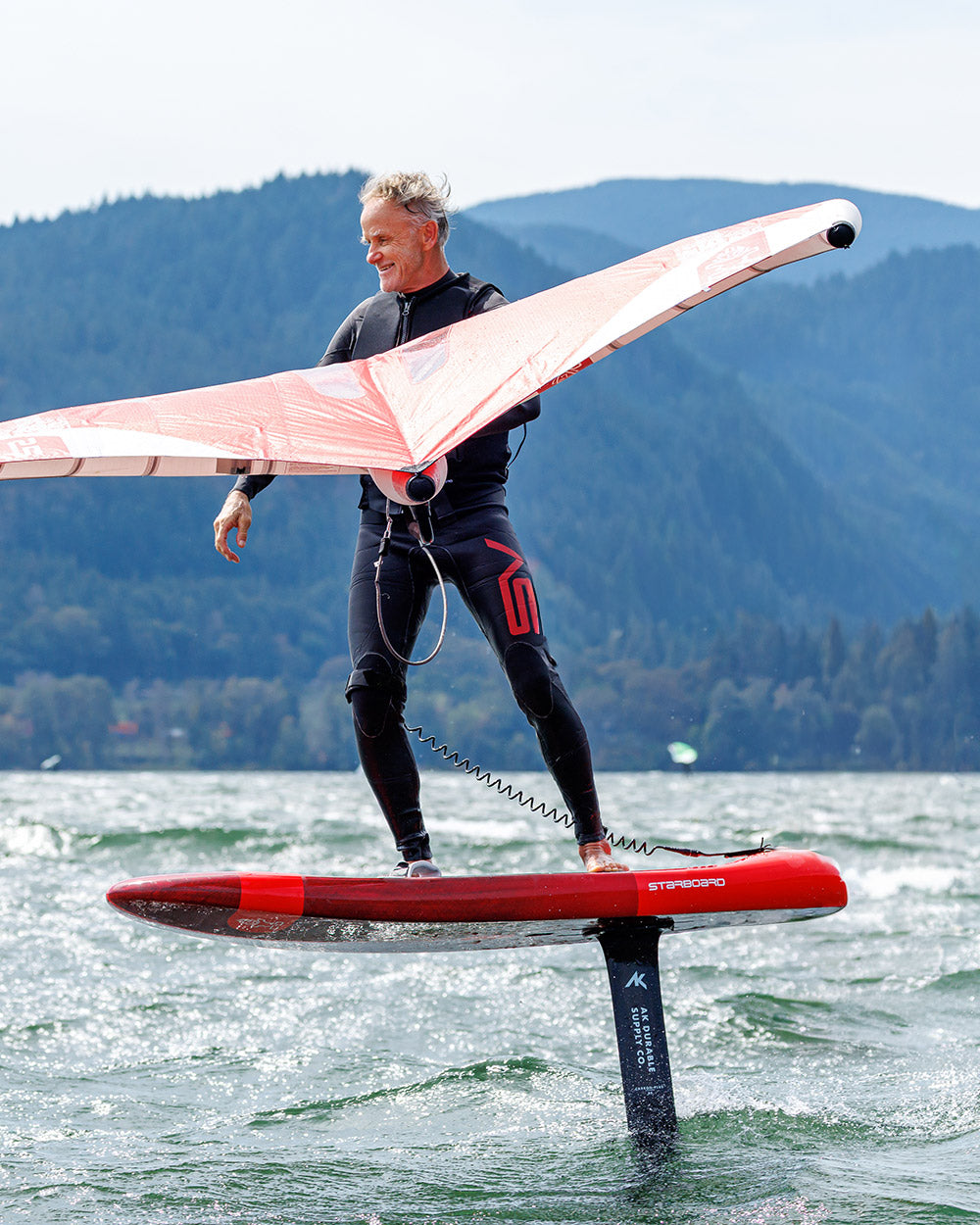
The Starboard Windsurf Foil range is engineered for effortless takeoff, smooth control, and unmatched versatility, allowing riders to glide faster, fly higher, and push limits like never before. Designed for both progression and peak performance, these boards cater to beginners mastering their first flights and top windsurfing athletes chasing new speed records. With precision shaping, lightweight yet durable construction, and cutting-edge innovation, Starboard Windsurf Foil boards deliver ultimate efficiency and control in every session—because when it comes to foiling, every detail matters.
Sort by:
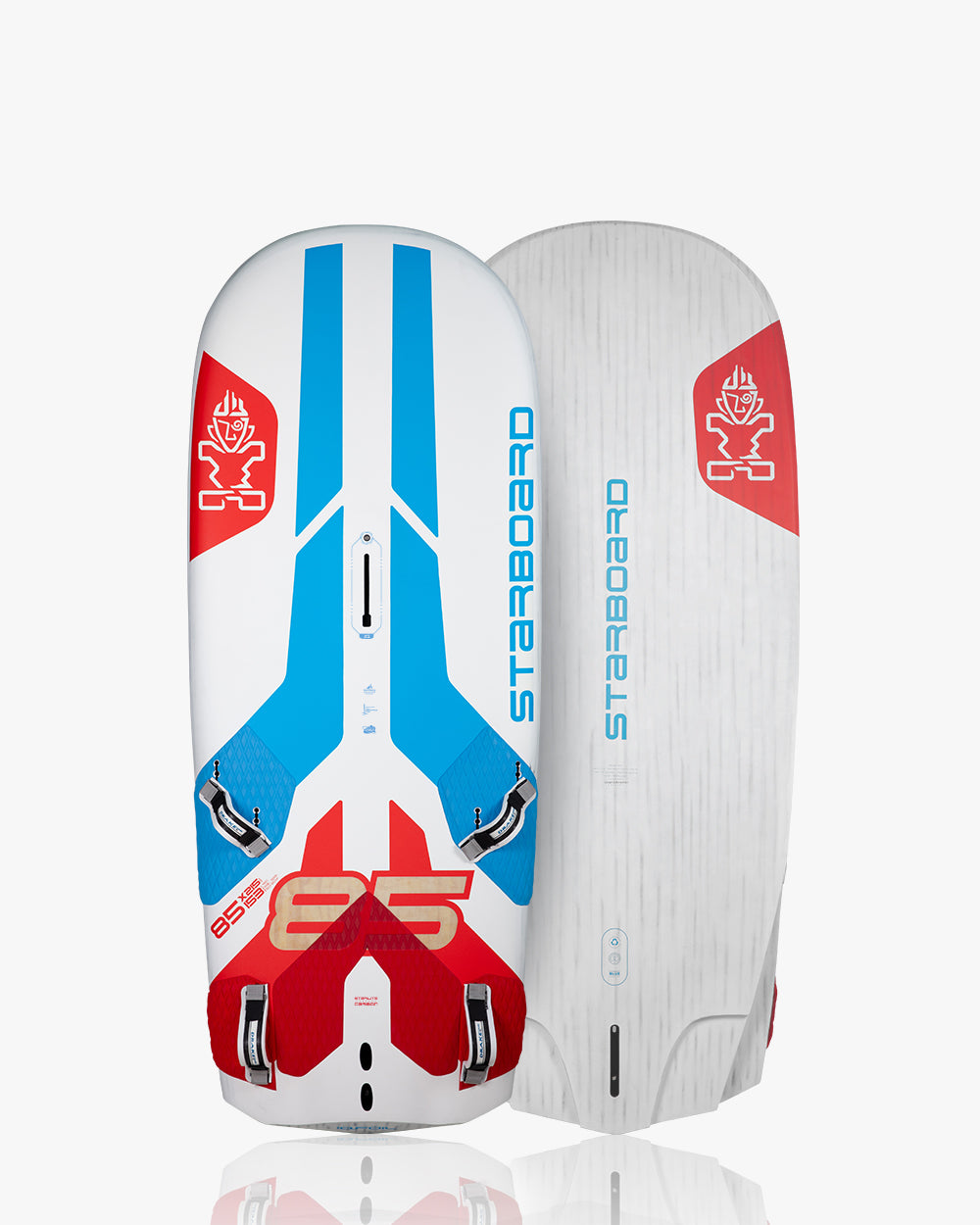
Beginner windfoil boards typically range between 130 and 160 liters, depending on rider weight and skill level. More volume provides stability, which is essential when learning how to balance, uphaul, and control the foil. Wider boards with a stable platform also make it easier to take off and land smoothly. Lighter riders can start around 130–140 liters, while heavier riders will benefit from 150 liters or more.
Choosing a board that is too small can slow down progression, while a larger board builds confidence and allows more consistent sessions. For most beginners, the priority is stability first, performance later.
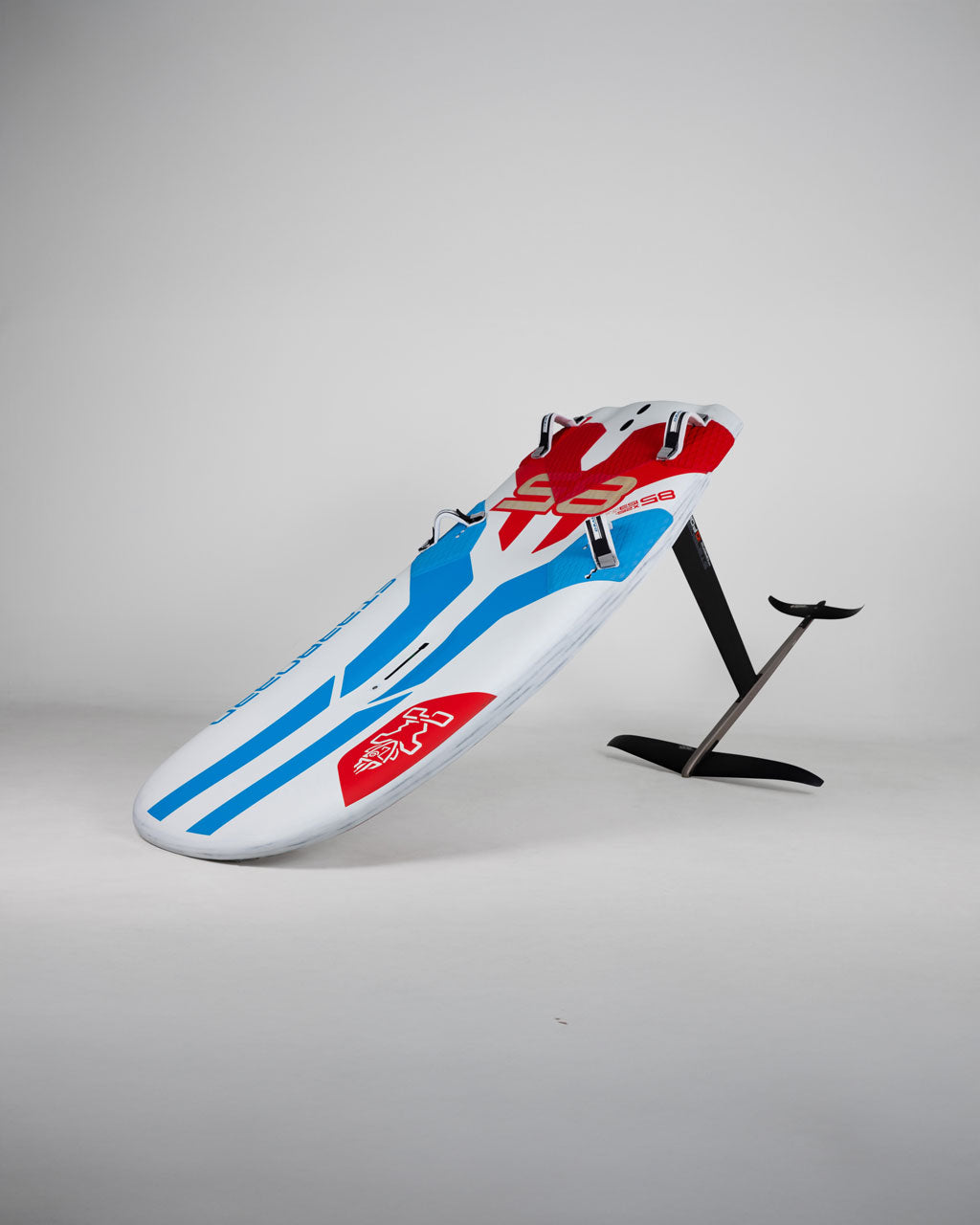
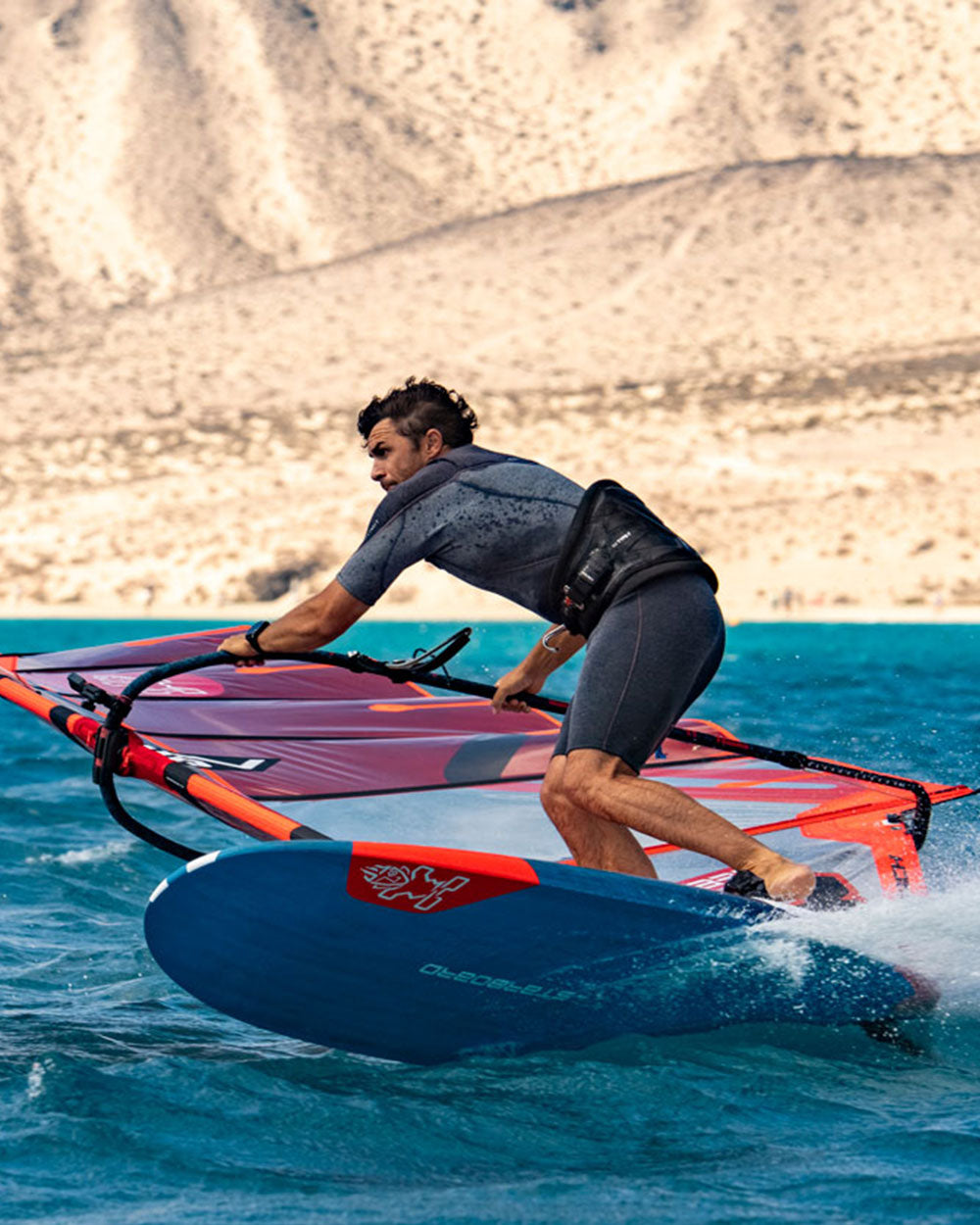
Windfoiling lifts the board above the water using a hydrofoil, while regular windsurfing keeps the board in contact with the surface and uses fins for grip. The key differences between wind foiling and windsurfing are:
Windfoiling allows riding in lighter wind with a smooth, flying sensation, while traditional windsurfing delivers more direct power and speed, especially in strong wind and waves.
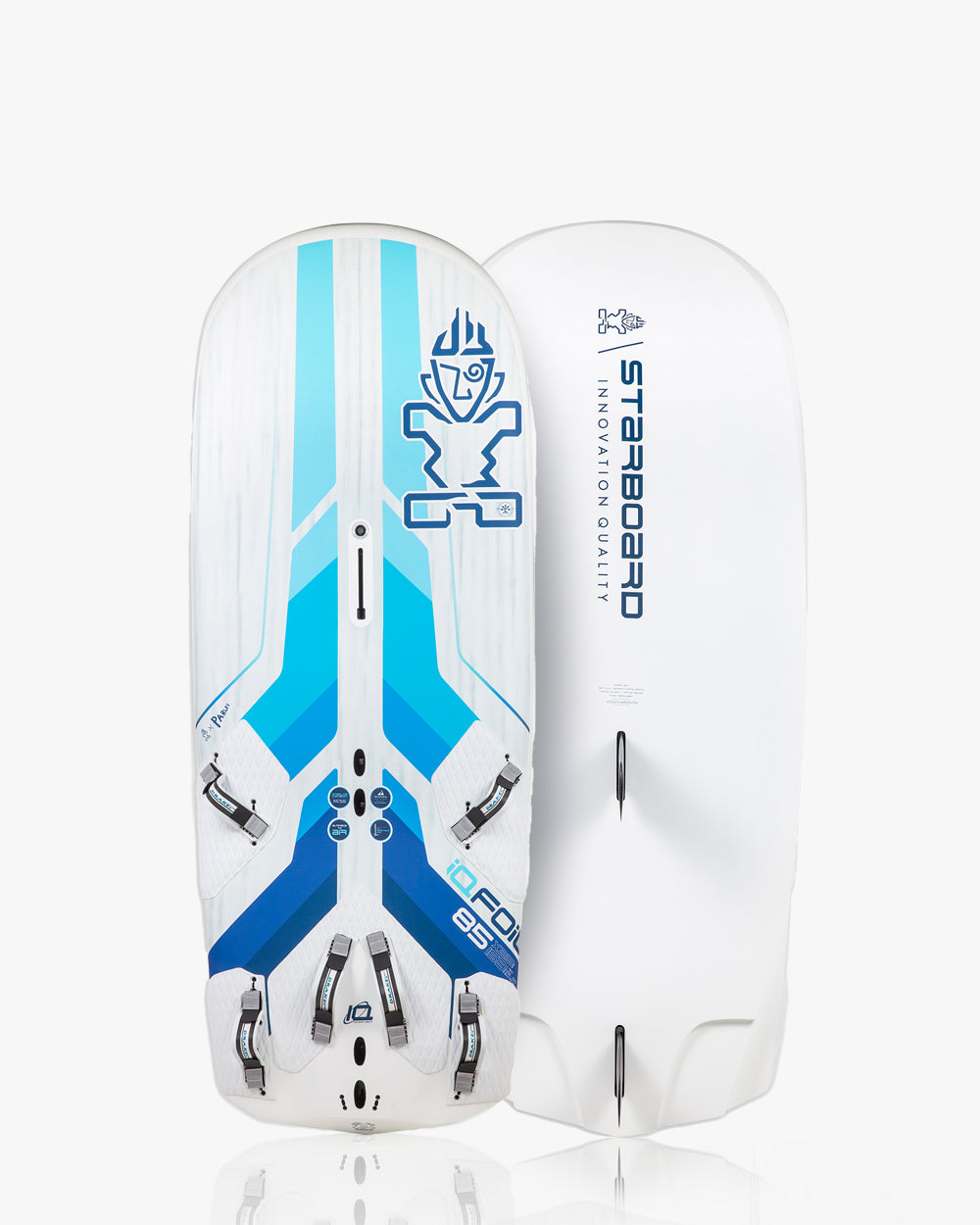
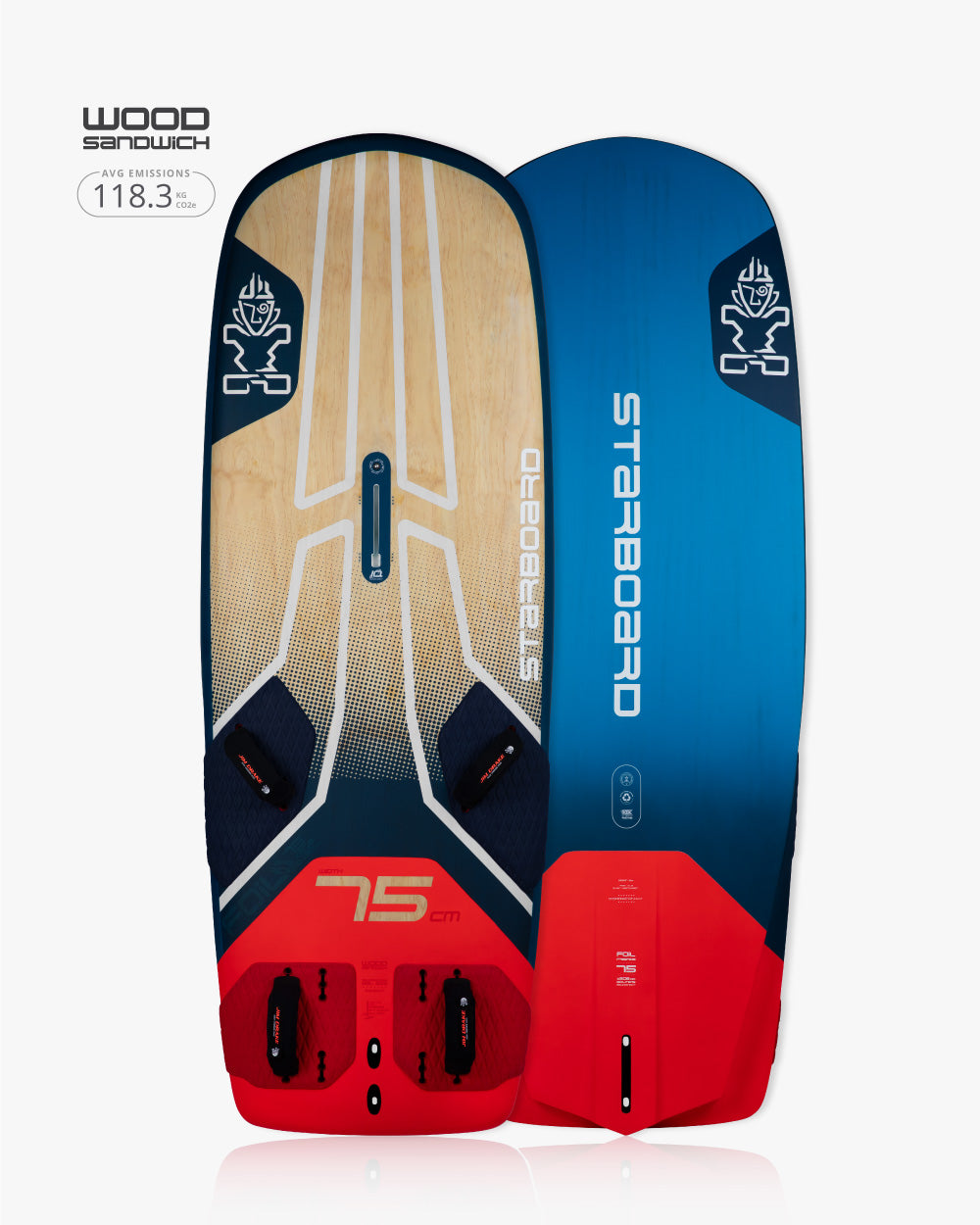
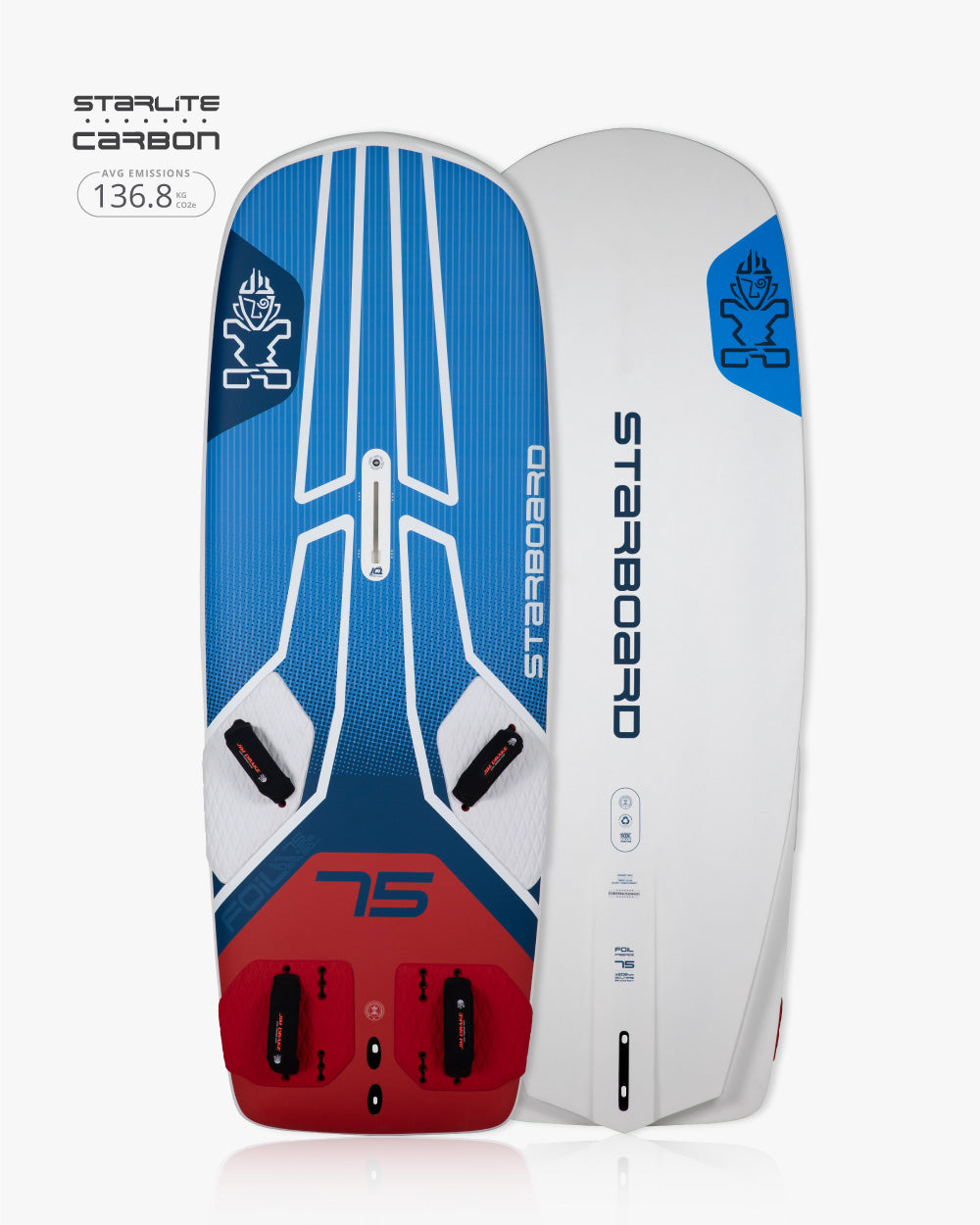
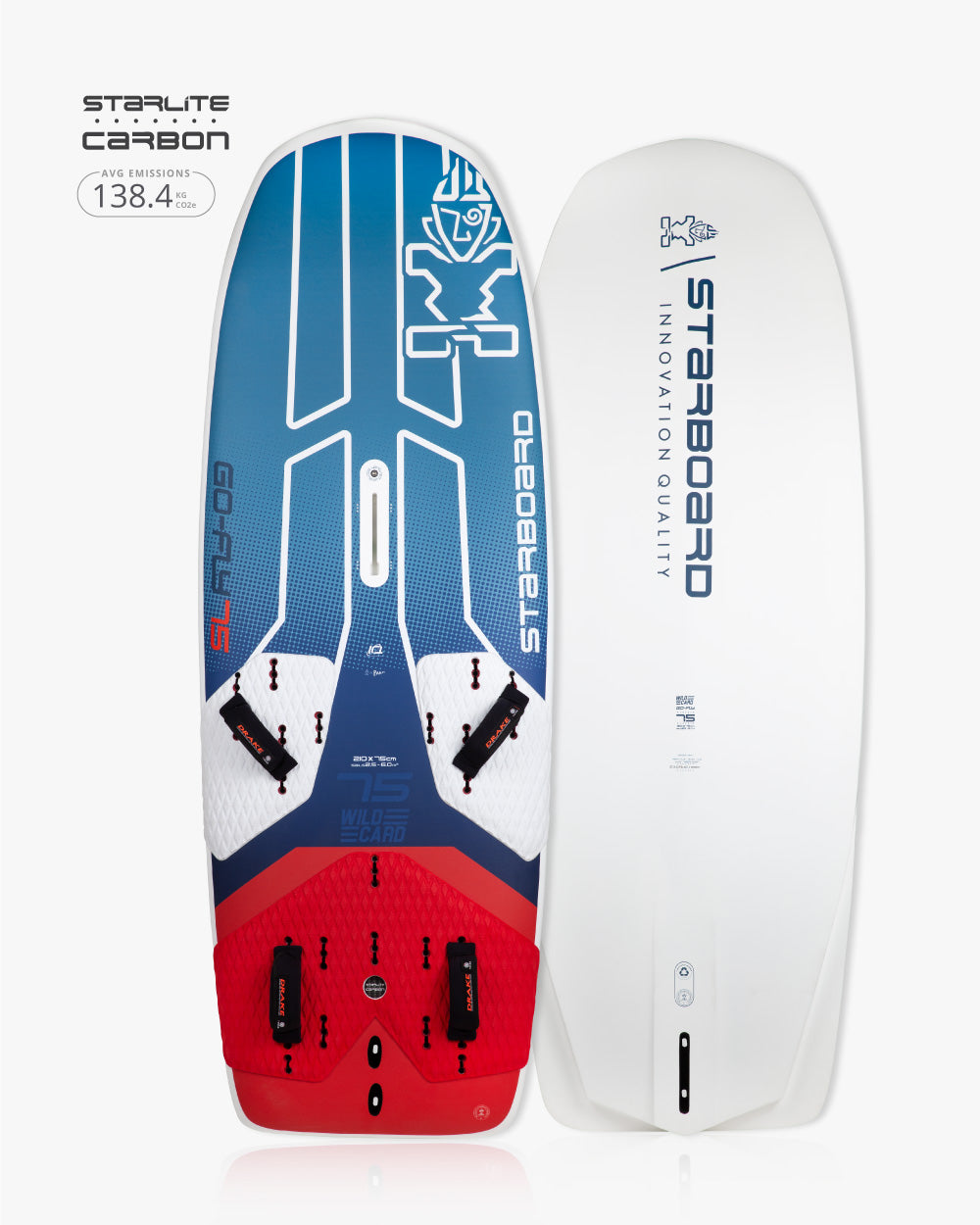
Different windfoil boards are designed for different goals, from first flights to Olympic racing and pure speed performance.
Windfoiling can start in as little as 8 to 12 knots of wind, depending on equipment and rider weight.
The large front wing of the foil generates lift at low speeds, allowing the board to rise above the water with minimal wind. This makes windfoiling one of the most efficient ways to ride in light wind conditions.
Stronger wind will increase speed and control, but one of the main advantages of windfoiling is extending your time on the water when traditional windsurfing would not be possible.
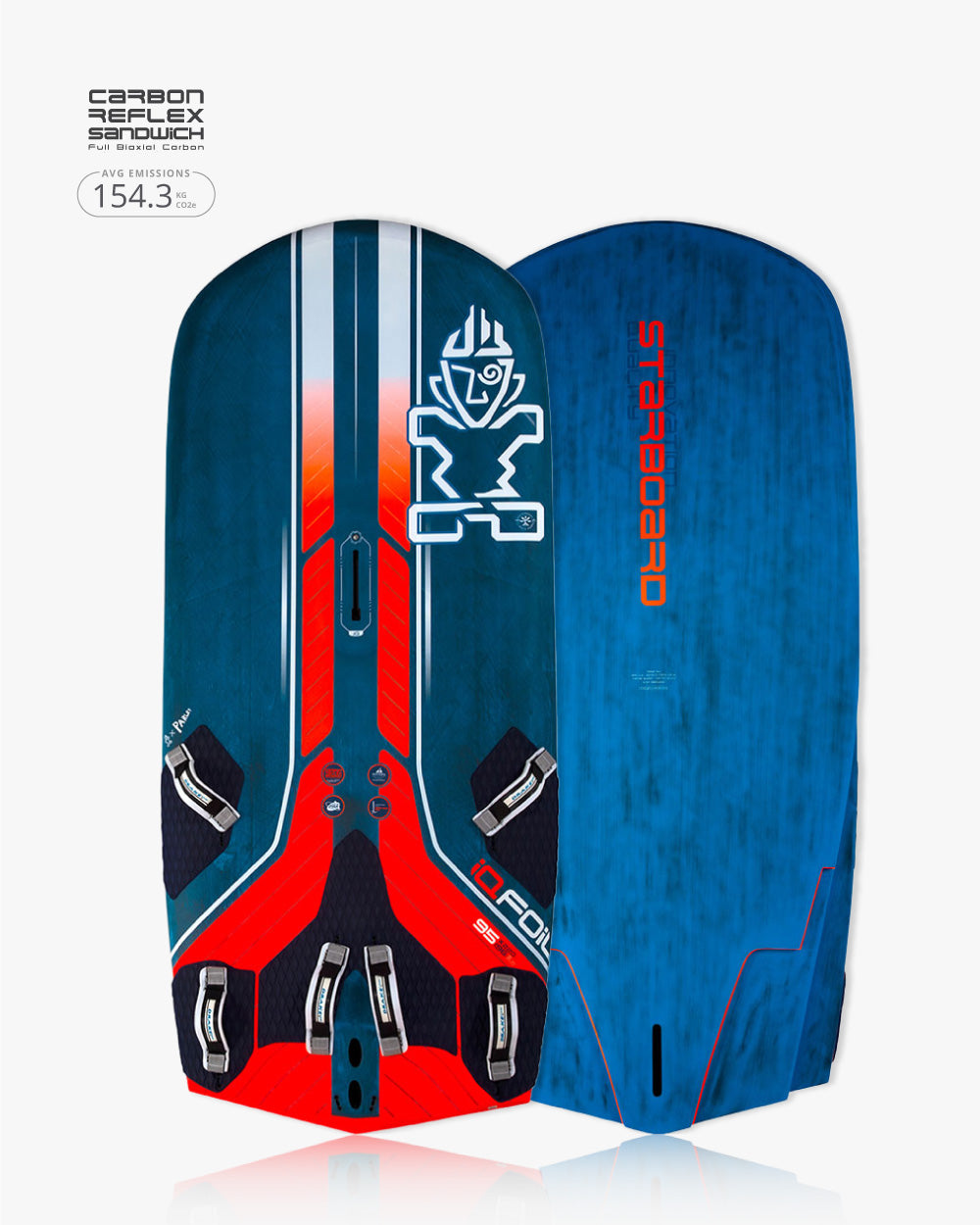
The iQFoil is the official Olympic windsurfing class used in the Olympic Games. It replaces the previous RS:X class and is designed around a one-design format, meaning all riders use the same equipment to ensure fair competition. The setup includes a dedicated foil board, rig, and hydrofoil system optimized for racing performance across a wide wind range.
iQFoil racing combines speed, technical skill, and tactical decision-making, making it one of the most dynamic and demanding disciplines in modern windsurfing.
Receive product announcements, beginner-friendly tips, & the latest news from our Dream Team.
You may check out all the available products and buy some in the shop
Return to shop