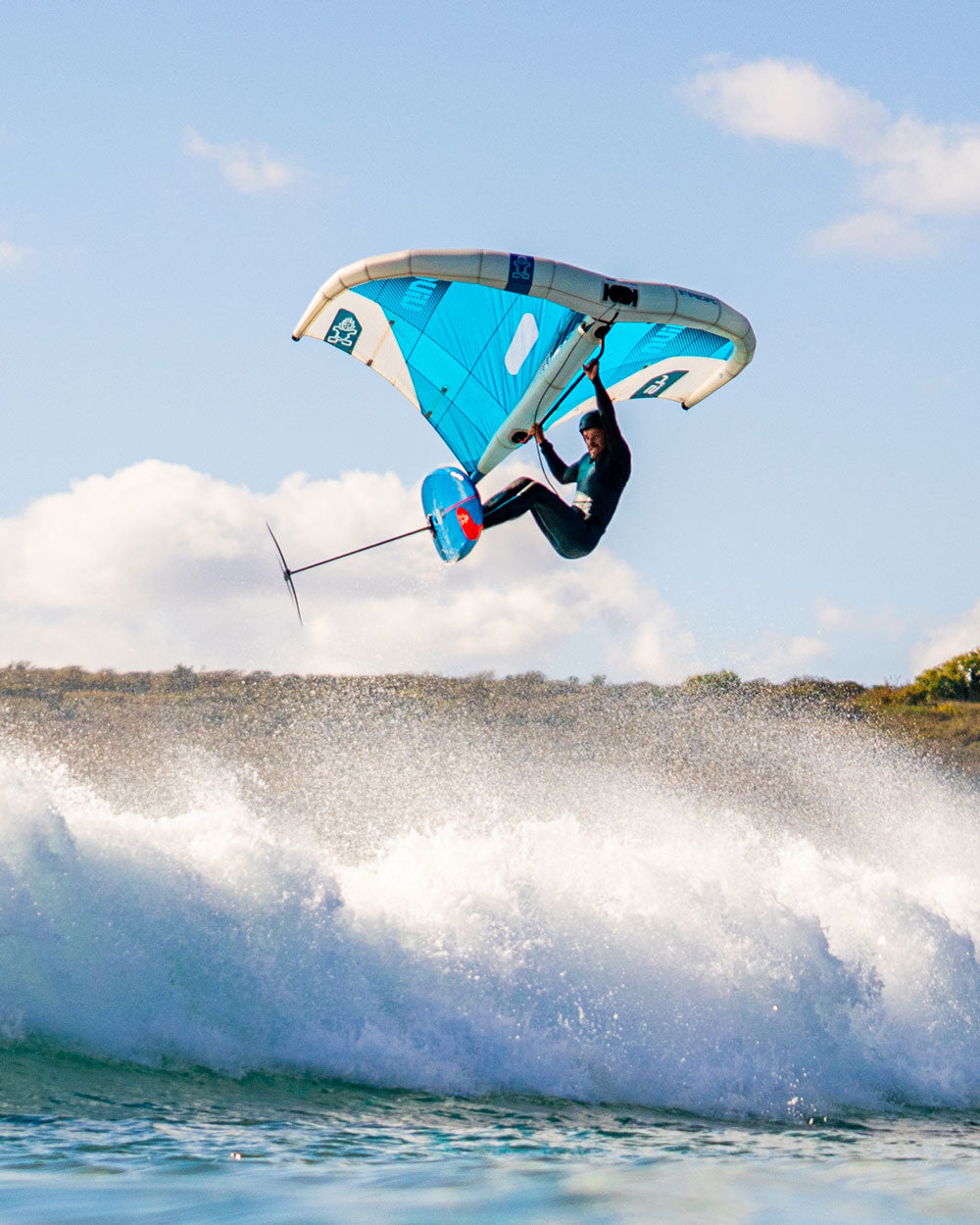
Wing & Foiling
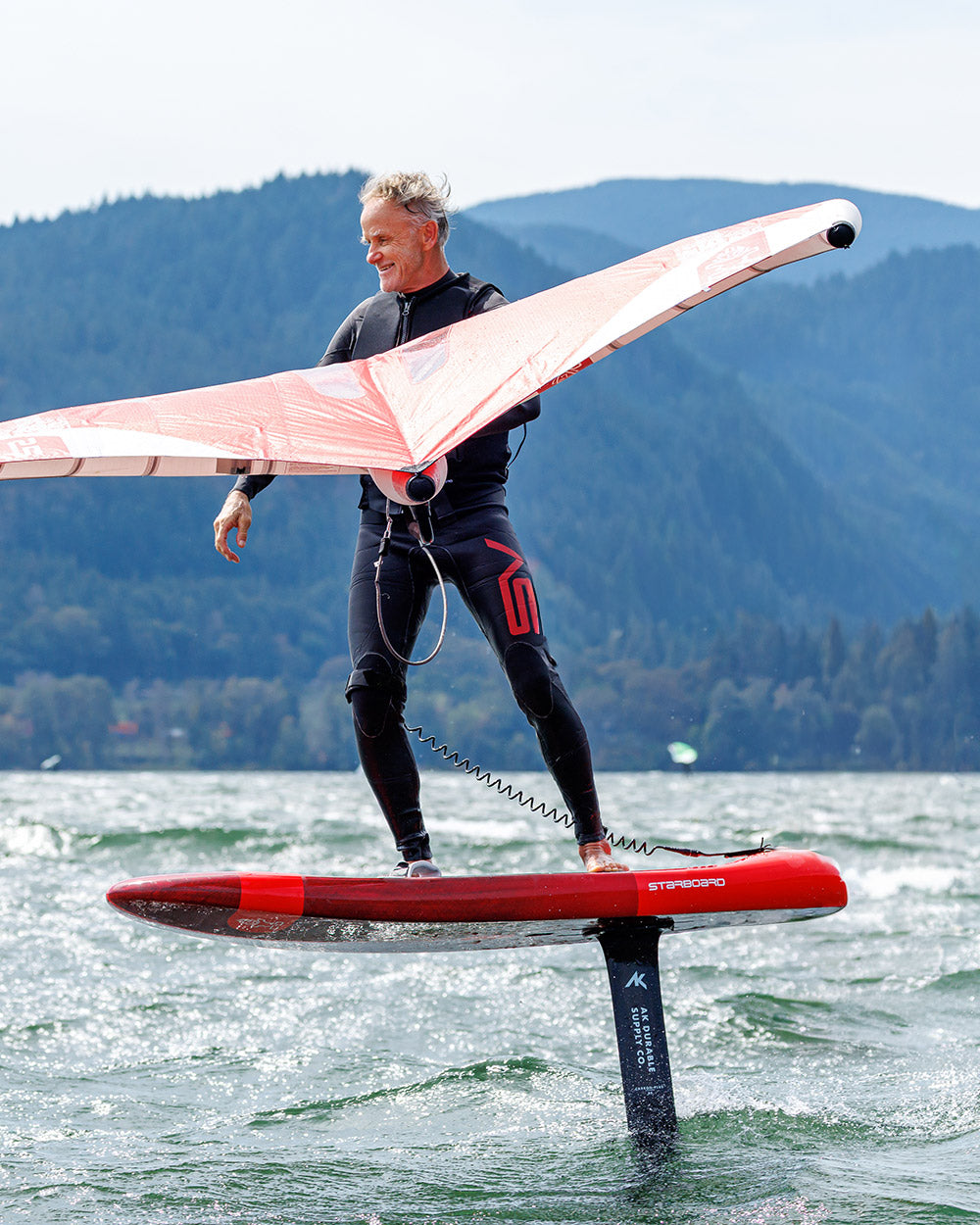
At Starboard, we’re dedicated to pushing the boundaries of wing and foilboard design, combining cutting-edge performance with smart, rider-focused technology. Whether you’re a seasoned wingfoiler or just starting out, our range spans intuitive wings and progressive foilboards, including entry-level options designed to help you master wing handling before stepping onto a foil. Explore our collection of innovative wing and foil shapes — all crafted to be lightweight, durable, and high-performing, so you can progress faster and ride with confidence in any conditions.
Wing & Foiling
At Starboard, we’re dedicated to pushing the boundaries of wing and foilboard design, combining cutting-edge performance with smart, rider-focused technology. Whether you’re a seasoned wingfoiler or just starting out, our range spans intuitive wings and progressive foilboards, including entry-level options designed to help you master wing handling before stepping onto a foil. Explore our collection of innovative wing and foil shapes — all crafted to be lightweight, durable, and high-performing, so you can progress faster and ride with confidence in any conditions.
Filter
Product categories
Sort by:
- 1
- 2
Wing Foiling Equipment
Wing Foiling FAQs
What size wing foil board do I need?
Your board size depends on 3 factors: body weight, skill level, and wind strength/power.
Simple rule (practical, 15+ knots):
- Beginner → +40–60L above body weight (kg)
- Intermediate → +5–25L above body weight
- Advanced → -25L to +5L around body weight
Example: 75 kg rider (15+ knots):
- Beginner: 110–130L+
- Intermediate: 80–100L
- Advanced: 50–80L
Wing foiling vs windsurfing — which should I learn first?
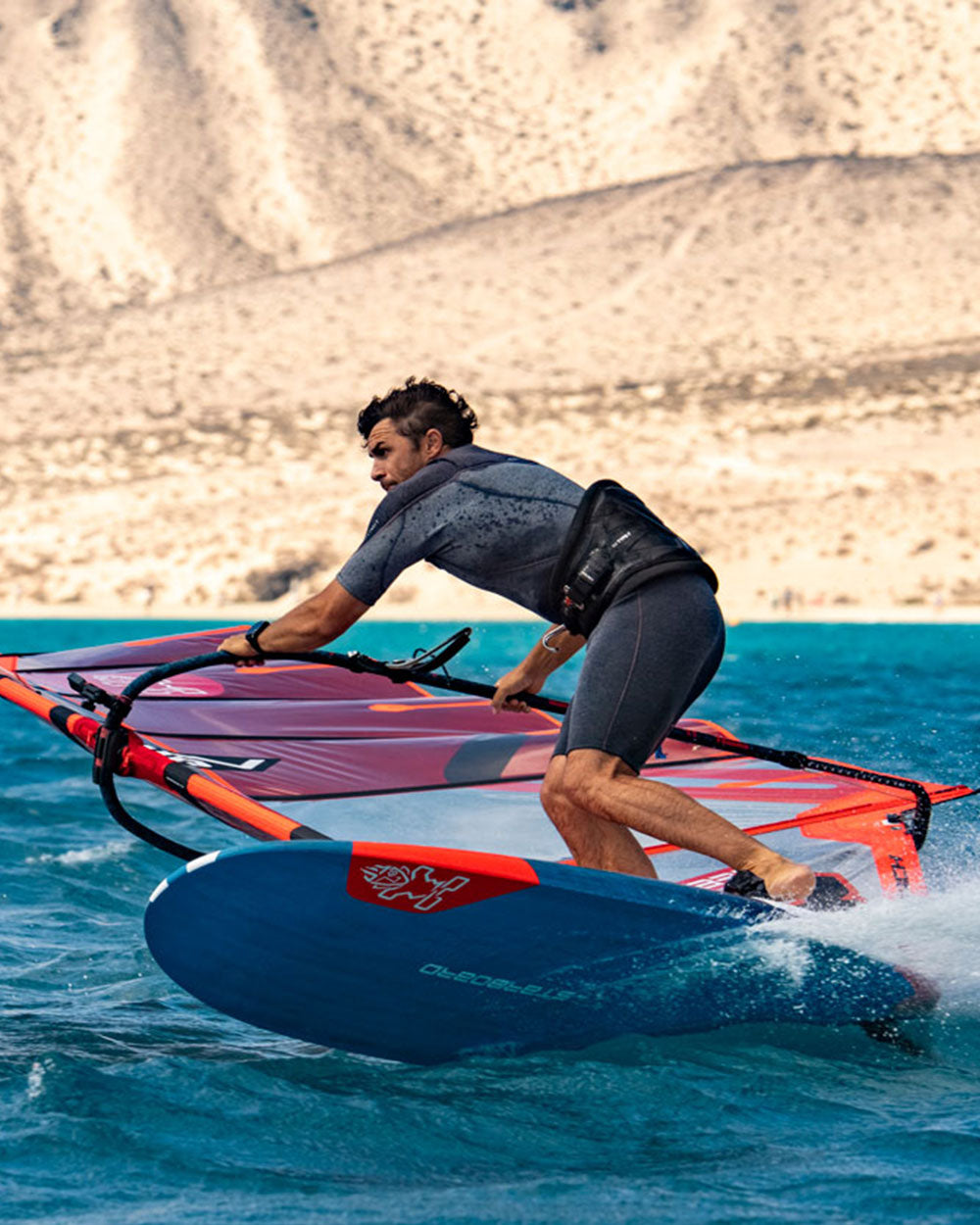
- Learning curve: wing foiling is easier to start; windsurfing is harder at the beginning.
- Setup complexity: wing foiling is simple with no mast; windsurfing has a more technical rig.
- Balance: wing foiling is easier at low speed; windsurfing is harder early on.
- Wind range: wing foiling works in lighter wind; windsurfing needs more wind and power.
- Progression: wing foiling offers fast early progression; windsurfing is slower but more structured.
- Advanced level: wing foiling is highly technical (foiling); windsurfing is highly technical too (planing and carving).
- Portability: wing foiling is very portable; windsurfing has bulkier gear.
Is wing foiling hard to learn?
Short answer: No — it’s one of the easiest wind sports to get into.
Why:
- No mast or fixed sail to control
- Neutral wing = easy to depower
- Stable boards make learning forgiving
Typical progression:
- Session 1–2: Standing + wing control
- Session 2–5: First rides
- Session 5–10: First flights
Compared to windsurfing or kitesurfing, most riders progress significantly faster
What equipment do I need to start wing foiling? Full setup
You need 4 core components:
1. Board
- High volume (beginner-friendly)
- Stable + wide
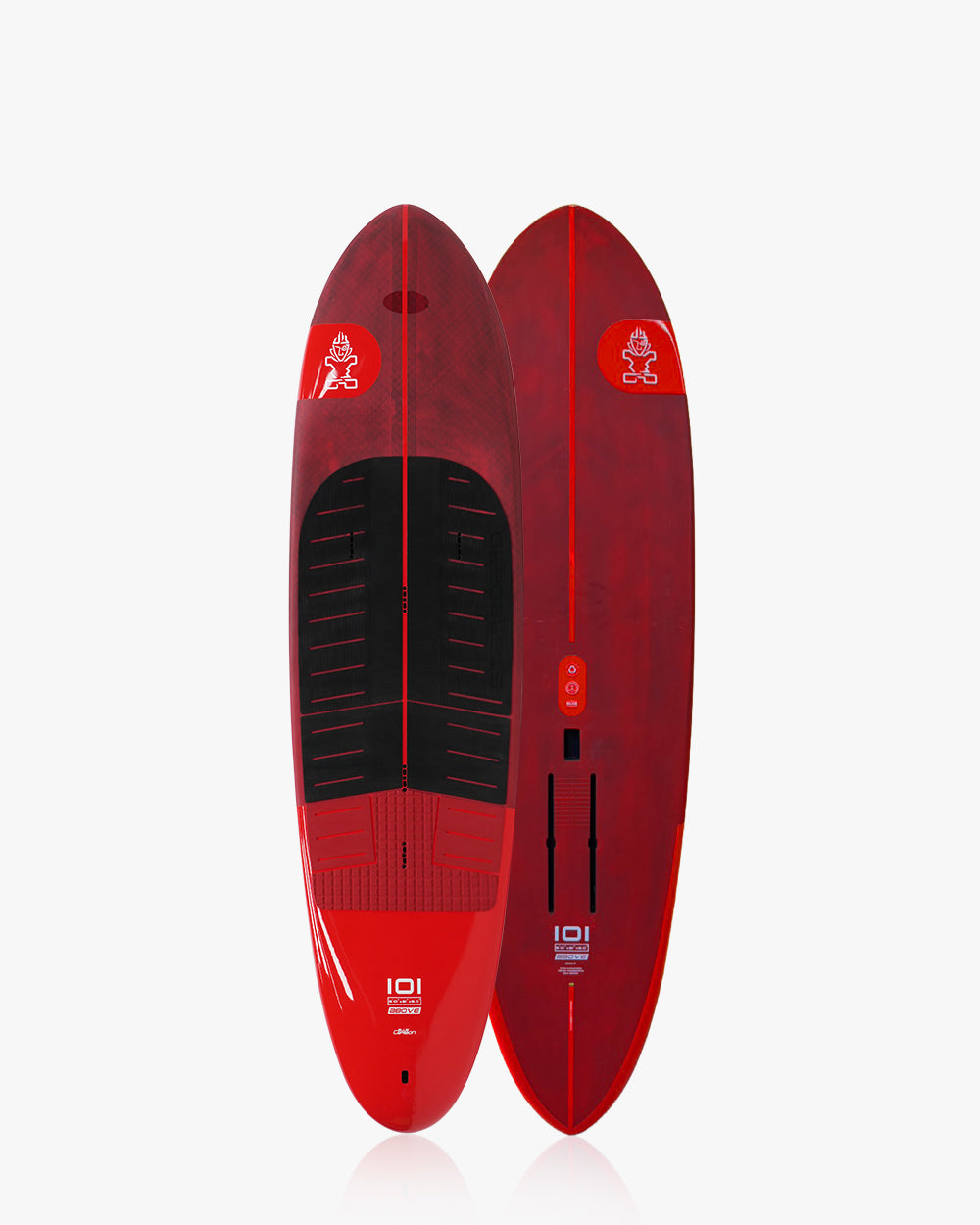
- Recommendation: Above ASAP 7'5" x 32" | 155 L
2. Foil (hydrofoil)
- Mast + fuselage + front wing + stabilizer
- Bigger front wing = easier lift
- Recommendation: Front Wing: Fusion 2200
- Tail Wing: Freeride 330
- Fuselage: Aluminium 66
- Mast: V8 Aluminium 72cm Top Plate
3. Wing (hand wing)
- Typically 4–5m² for beginners
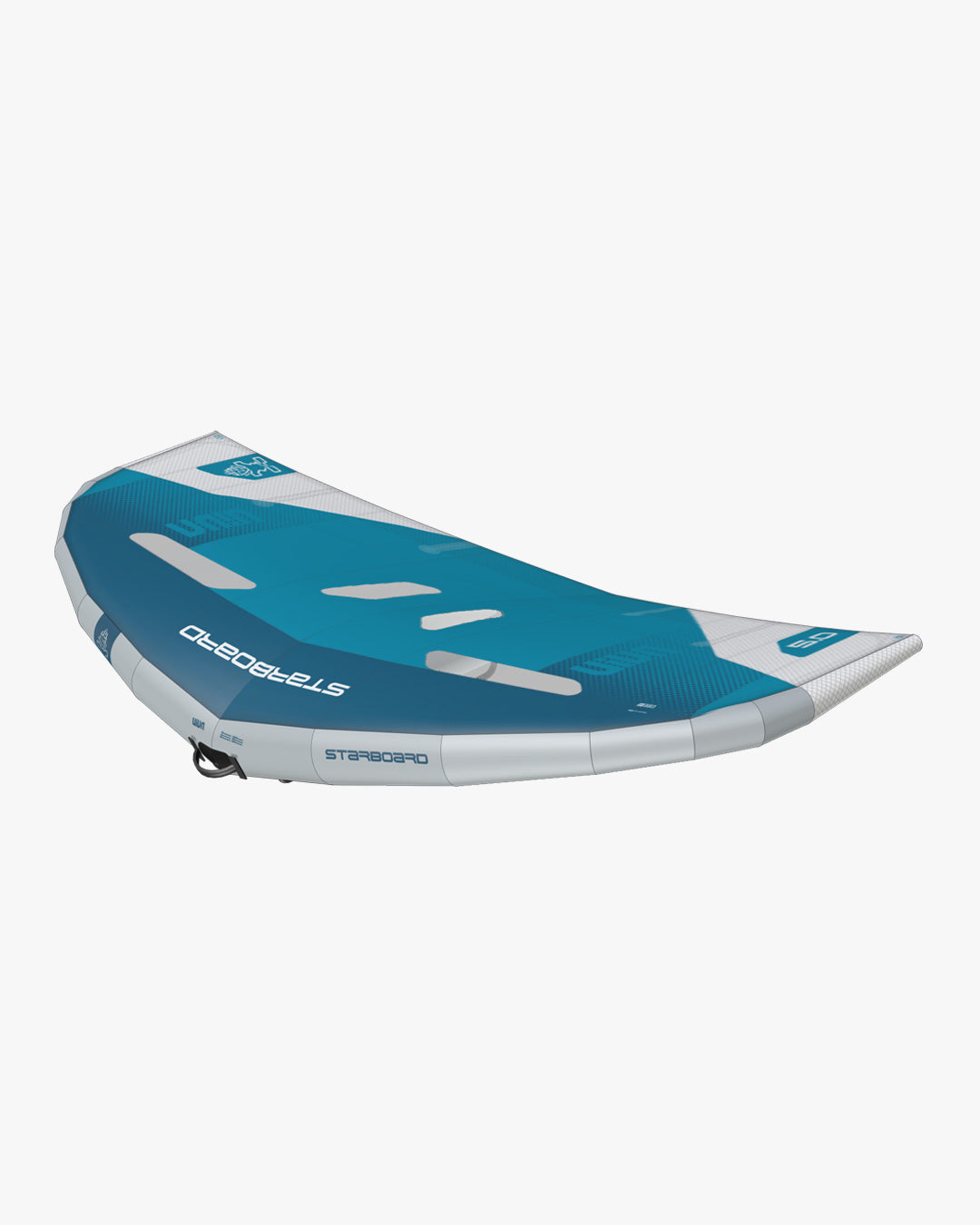
Recommendation: Source 5m (with Aluminium pistol grip boom)
4. Leashes
- Board leash
- Wing leash
- Wing leash: Waist leash (included with Source wing)
- Board leash: Starboard Coil Leash
Optional (but recommended):
- Helmut
- Impact vest
- Wetsuit
How much wind for wing foiling?
Beginner sweet spot:
- 12–20 knots
General guide:
- 10–15 knots → learning possible (bigger gear helps)
- 15–25 knots → ideal range
- 25+ knots → advanced riders
Wing size pairing:
- Light wind → 5–6m²
- Medium → 4–5m²
- Strong wind → 2–4m²
*Most people learn fastest in steady 15–20 knots
Best wing foil boards 2026 — beginner to advanced
Choosing the right board comes down to volume relative to your body weight + conditions (15+ knots baseline).
Beginner (easy progression)
- +40–60L above body weight
- Example (75 kg): 110–130L+
- Wide, stable shapes
- Early take-off, very forgiving
Recommendation: Above (ASAP construction) - 7'5" x 32" | 155 L
Best for: first flights, fast confidence, learning transitions